Freight for Medical Equipment | Safe & Compliant Shipping
 Azmi El-Ali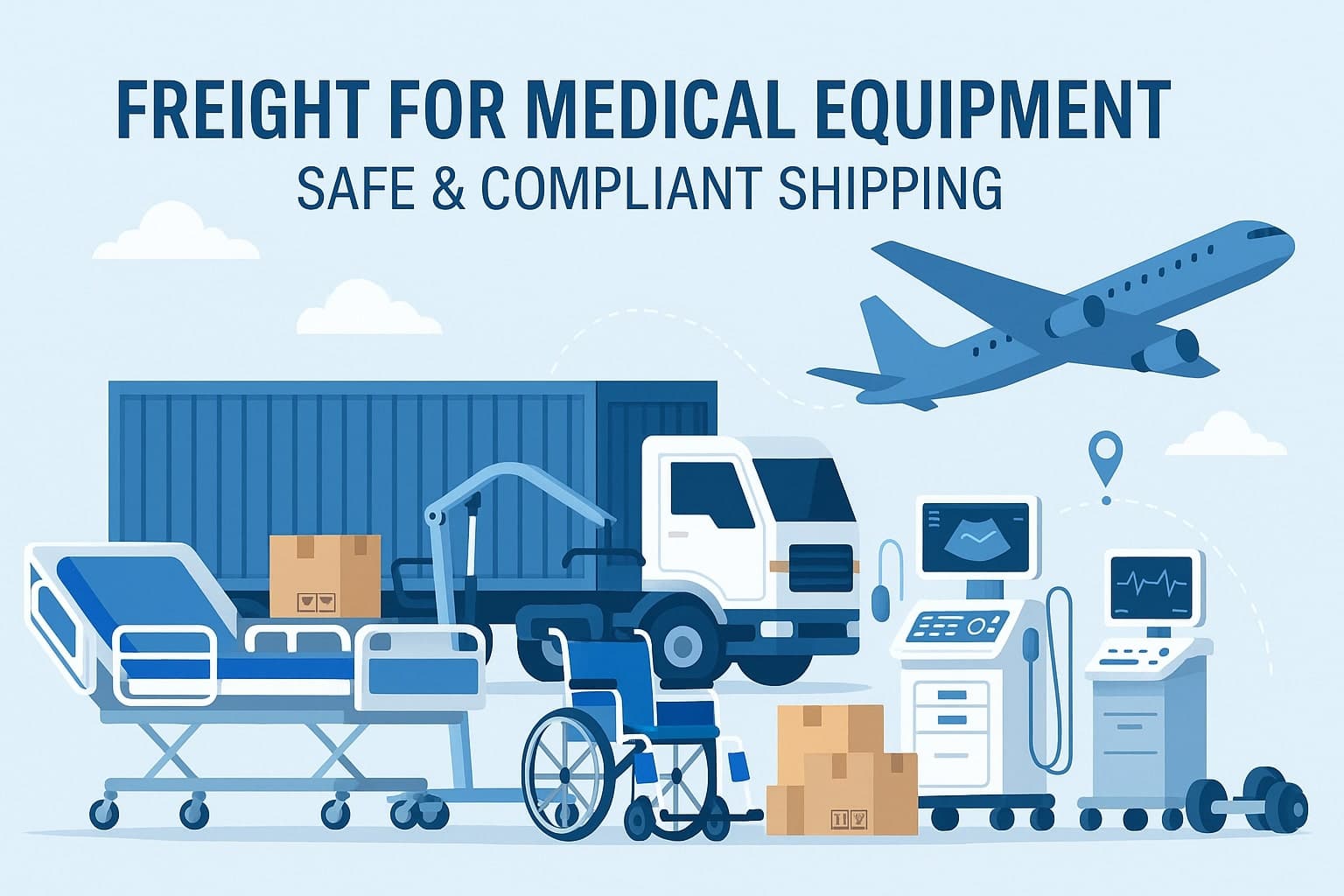
Why Freight for Medical Equipment Needs Special Handling
Shipping medical and rehabilitation equipment isn’t just about moving boxes—it’s about delivering care. Whether it’s mobility aids, rehab beds, diagnostic tools, or therapy machines, freight for medical equipment requires precision, speed, and strict compliance.
At Synergy Freight Management, we know the stakes are high. A single documentation error or customs delay can affect hospitals, clinics, and patients. That’s why we offer end-to-end medical freight solutions designed to protect sensitive equipment while ensuring on-time delivery.
Types of Medical & Rehab Equipment We Ship
Our team handles international freight for a wide range of medical and rehabilitation equipment, including:
- Electric rehabilitation beds and hoists
- Wheelchairs and mobility aids
- Physiotherapy and occupational therapy tools
- Diagnostic devices (ultrasound, ECG monitors, etc.)
- Gym rehabilitation equipment and weights
- Assistive technologies and accessories
Whether you’re importing bulk shipments or smaller consignments, we tailor freight solutions to your specific product and destination.
Challenges in Medical Equipment Logistics
Medical and rehab equipment isn’t like standard cargo. It presents unique challenges such as:
1. Time Sensitivity
Hospitals and rehab centres often work on strict schedules. Late arrivals can cause treatment delays or equipment shortages.
2. Customs & Quarantine Regulations
Imports into Australia may require approvals from TGA (Therapeutic Goods Administration) or DAFF (Department of Agriculture, Fisheries and Forestry). Incorrect paperwork risks inspections, fines, or penalties.
3. Fragility & Handling
High-value devices require specialised packaging and careful handling. Rough transit can damage equipment or void warranties.
How Synergy Freight Management Ensures Safe Medical Shipping
At Synergy, we combine logistics expertise with healthcare industry knowledge. Here’s how we make medical freight seamless:
- Licensed in-house customs and quarantine clearance
- Priority air freight partnerships with leading airlines
- Real-time tracking updates (daily or hourly)
- Careful coordination of inspections and final delivery
- Years of experience with rehab suppliers and health distributors
We understand compliance, timelines, and handling requirements—so you can trust your shipments are in safe hands.
Air Freight vs. Sea Freight for Medical Equipment
Choosing the right shipping method depends on urgency, cost, and product type:
Air Freight
✔ Fastest option for urgent or high-value shipments
✔ Ideal for clinics awaiting essential equipmentPreview (opens in a new tab)
✔ Premium cost but guaranteed speed
Sea Freight
✔ Cost-effective for bulk or heavy equipment
✔ Longer transit times but lower cost per unit
✔ Best for planned, large-scale imports
Our experts will help you choose the right option for your business.
Documents Needed for Shipping Medical Equipment
To avoid delays, medical equipment importers should prepare:
- Commercial invoice with detailed product descriptions
- TGA approvals or compliance certificates (if required)
- Packing list with handling instructions
- Delivery details and site access information
If you’re unsure, Synergy provides guidance to keep your shipment fully compliant.
Case Study: Avoiding Delays for a Rehab Centre
A Sydney-based rehabilitation clinic needed gym equipment imported from Europe within four weeks. With multiple handoffs—air freight, customs, and local delivery—the risk of delays was high.
Synergy pre-cleared the goods with the Australian Border Force and DAFF, arranged secure air freight from Frankfurt, and coordinated final delivery to the clinic’s dock. Result: the shipment arrived a week early, fully compliant, and ready for installation.
Top Tips for Importing Medical & Rehab Equipment
- Plan early: Start freight planning before your equipment is ready.
- Use a trusted broker: Medical shipments are often flagged; Synergy ensures smooth clearance.
- Label clearly: Fragile, medical-use, and handling labels reduce damage risks.
- Bundle shipments: Consolidate regular imports to save costs.
- Track everything: Use live tracking for visibility and peace of mind.
Frequently Asked Questions
Can fragile rehabilitation equipment be shipped safely?
Yes. Synergy Freight Management provides specialised packaging and handling for fragile medical and rehabilitation devices, protecting your investment during transit.
What types of medical and rehabilitation equipment can Synergy Freight Management ship internationally?
We ship a wide range of equipment, including electric rehabilitation beds and hoists, wheelchairs and mobility aids, physiotherapy and occupational therapy tools, diagnostic devices such as ultrasound and ECG monitors, gym rehabilitation equipment, and assistive technologies. Shipments are tailored to your specific product and destination, whether you’re importing in bulk or as a smaller consignment.
Do medical equipment imports need approval from the TGA or DAFF?
Many medical equipment imports into Australia require approval from the Therapeutic Goods Administration (TGA) or the Department of Agriculture, Fisheries and Forestry (DAFF), depending on the item. Incorrect paperwork risks inspections, fines, or penalties, which is why Synergy provides licensed in-house customs and quarantine clearance for every shipment.
Should I choose air freight or sea freight for medical equipment?
Air freight is the fastest option and suits urgent or high-value shipments, such as equipment a clinic is waiting on, though it comes at a premium cost. Sea freight is more cost-effective for bulk or heavy equipment with longer transit times, making it better suited to planned, large-scale imports. Our team helps you weigh urgency, cost, and product type to choose the right option.
What documents do I need to import medical equipment?
You’ll generally need a commercial invoice with detailed product descriptions, TGA approvals or compliance certificates where required, a packing list with handling instructions, and delivery details including site access information. If you’re unsure what applies to your shipment, Synergy provides guidance to keep it fully compliant.
How does Synergy Freight Management prevent delays for time-sensitive medical shipments?
We combine licensed in-house customs and quarantine clearance, priority air freight partnerships with leading airlines, and real-time tracking updates — daily or hourly — to keep hospitals and rehab centres informed. In one case, we pre-cleared a Sydney rehab clinic’s gym equipment with the Australian Border Force and DAFF, arranged air freight from Frankfurt, and delivered the shipment a week ahead of its four-week deadline.
Freight for Medical Equipment Made Easy with Synergy
Freight for medical equipment isn’t just about logistics—it’s about ensuring critical healthcare tools arrive safely and on time. With Synergy Freight Management, you gain a partner who understands urgency, compliance, and responsibility.
Call us today on +61 410 355 355
Or request a freight quote now, and let’s deliver your cargo with confidence.
Related Services
Share this article
Azmi El-Ali
Managing Director, Synergy Freight Management
Azmi El-Ali is a Licensed Australian Customs Broker under the Customs Act 1901 with 10+ years experience in international freight forwarding. As Managing Director of Synergy Freight Management, Azmi helps businesses import and export goods with confidence.
Connect on LinkedIn