All ServicesOur Services
Quarantine
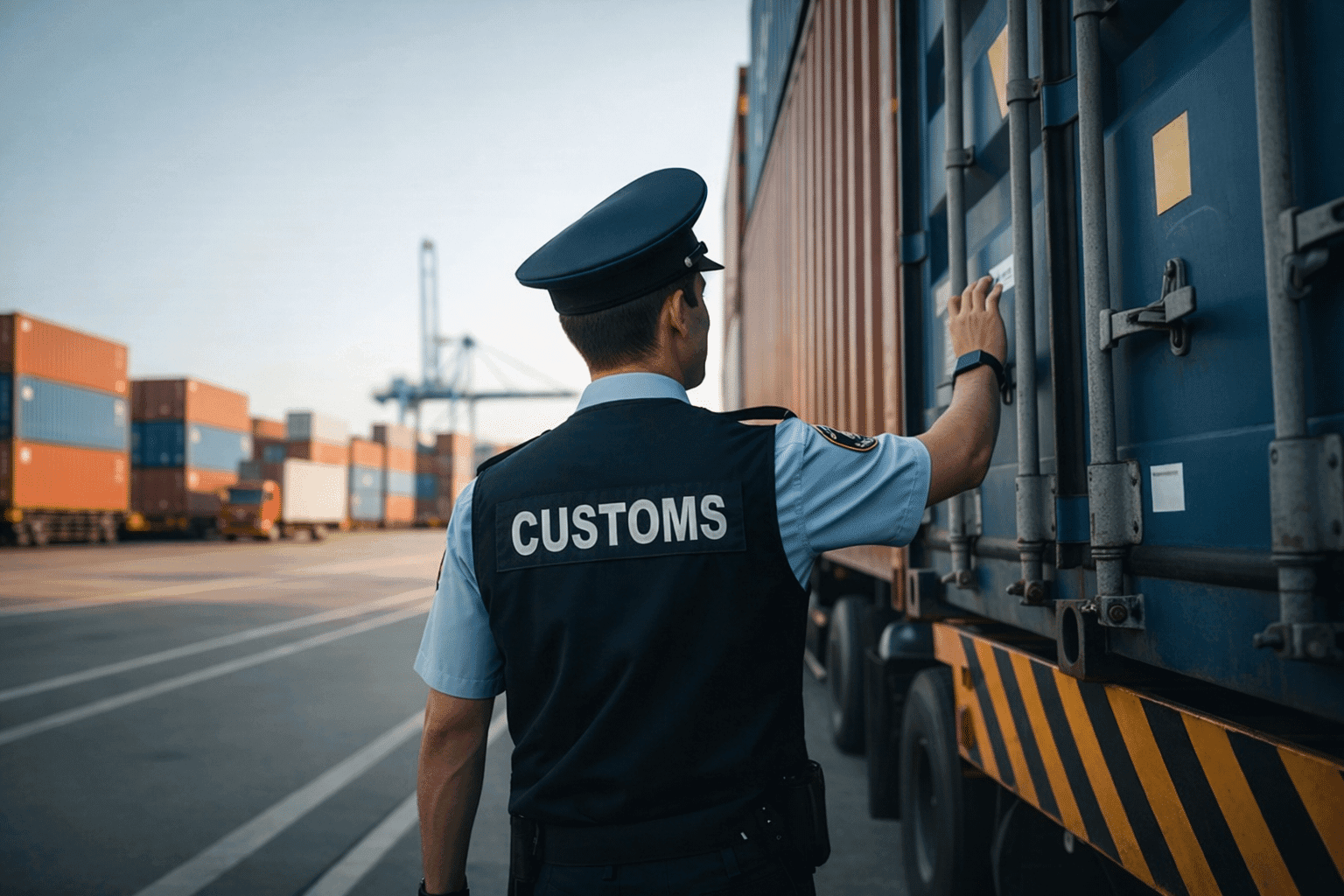
Are you dealing with a licenced customs broker who has the knowledge to address key biosecurity risks compromising Australian flora and fauna?
Licensed & Compliant
Fully licensed Australian customs broker with deep regulatory knowledge.
Fast Turnaround
Streamlined processes that minimise delays and keep your supply chain moving.
Transparent Pricing
No hidden fees. Competitive rates with complete visibility on all charges.
What Is Quarantine Clearance?
Quarantine clearance, or biosecurity clearance, is the inspection process the Department of Agriculture, Fisheries and Forestry (DAFF) uses to check imported goods for pests, diseases, and contamination under the Biosecurity Act 2015. Certain goods — including timber, food, plant products, and used machinery — are automatically directed for inspection or treatment before they can be released. A failed inspection can mean fumigation, re-export, or destruction of the goods, so correct documentation and packaging upfront is essential.
As a licensed customs broker, Synergy Freight Management checks each shipment’s requirements before it arrives, arranges any treatment needed, and coordinates clearance with DAFF on your behalf.
Quarantine and Biosecurity Compliance in Australia
Australia’s unique and largely pest-free ecosystem is protected by some of the world’s strictest biosecurity laws. The Biosecurity Act 2015 governs the import of goods that could carry exotic pests, diseases, or contaminants — and non-compliance can result in goods being treated at the importer’s cost, re-exported, or destroyed.
Synergy Freight Management has deep expertise in Australian biosecurity requirements. As a licensed customs broker, we assess biosecurity risk for your goods before they arrive, arrange required treatments, and coordinate clearance with the Department of Agriculture, Fisheries and Forestry (DAFF).
What Is Biosecurity Risk Assessment?
Not all imported goods carry biosecurity risk — but many do, and the risk classification is determined by the commodity, its country of origin, and how it has been processed. The Department of Agriculture uses the BICON (Biosecurity Import Conditions) database to publish import conditions for every commodity entering Australia.
Importers are legally required to comply with BICON conditions. Synergy Freight Management checks BICON conditions for your goods as part of the pre-clearance process, identifies any import permits or treatment requirements, and manages compliance on your behalf.
Commonly Affected Goods
The following categories of goods frequently attract biosecurity assessment or treatment requirements:
- Timber and wood products: Solid wood packaging (pallets, crates, dunnage) must comply with ISPM 15 — either heat treated or fumigated and marked before export. Unprocessed timber and raw wood products may require treatment on arrival.
- Plant products: Fresh fruit and vegetables, cut flowers, seeds, dried plant material, and botanical products are subject to inspection and may require import permits.
- Animal products: Meat, dairy, seafood, animal hides, wool, feathers, bones, and other animal-derived products require specific import conditions to be met, including processing standards and country-of-origin approvals.
- Food products: Human food imports are assessed under both BICON and Food Standards Australia New Zealand (FSANZ) requirements. Random testing applies to some food categories.
- Soil and growing media: Any goods that may carry soil — used machinery, equipment, outdoor furniture, agricultural items — are subject to mandatory inspection and cleaning or treatment.
- Used machinery and vehicles: Equipment that has been used in agricultural or outdoor environments must be thoroughly cleaned and inspected for soil, plant material, and pest contamination.
- Live plants, seeds, and propagation material: Import permits from DAFF are required, and quarantine periods may apply upon arrival.
Common Biosecurity Treatments
- Methyl bromide fumigation: A chemical fumigant applied to kill insects, nematodes, and pathogens in wood packaging, raw timber, and certain commodities. Applied at DAFF-approved facilities at origin or on arrival in Australia.
- Heat treatment (HT): Heating timber to a core temperature of 56°C for 30 minutes to kill pests. Required for solid wood packaging under ISPM 15 and for some wood commodities.
- Irradiation: Used for some fresh produce, cut flowers, and certain organic material as an alternative to chemical treatment.
- Washing and cleaning: Required for used machinery and equipment carrying soil, plant material, or biological contamination.
- Dielectric heating: Used as a heat treatment option for some wood products and commodities.
The Biosecurity Clearance Process
- Pre-arrival BICON check: Before your goods ship, we check BICON import conditions and advise you of any permits, treatment, or documentation required.
- Import permit application: Where required, we apply for import permits from DAFF on your behalf. Some permits require lead time — we advise you when to start the process relative to your shipment date.
- Documentation review: We review supplier-provided documentation (fumigation certificates, phytosanitary certificates, treatment records) to confirm compliance before lodging your import declaration.
- Biosecurity declaration lodgement: We include the required biosecurity declaration in your import entry, lodged with Australian Border Force and reviewed by DAFF officers.
- Physical inspection or treatment direction: If DAFF officers direct a physical examination or on-arrival treatment, we coordinate access, supervise the process, and manage costs.
- Release and delivery: Once biosecurity conditions are satisfied and customs clearance is granted, we coordinate delivery of your goods to their destination.
What’s Included in Our Quarantine Service
- BICON import condition assessment for your specific goods
- Import permit application and management
- Supplier document review (fumigation certificates, phytosanitary certificates)
- Biosecurity declaration lodgement as part of your import entry
- Coordination with DAFF for inspection appointments
- On-arrival treatment arrangement at approved facilities
- Fumigation and heat treatment cost management
- Re-inspection coordination where treatment is directed
Why Choose Synergy Freight Management for Biosecurity Compliance?
Biosecurity errors are among the most expensive mistakes in importing. Treatment costs, storage charges during inspection, re-export costs, and penalties for undeclared risk goods can far exceed the value of the goods themselves. Synergy Freight Management’s licensed customs brokers understand biosecurity requirements across a wide range of commodity types and apply that knowledge proactively — identifying compliance requirements before your goods leave origin, not after they arrive at the Australian border.
Related Articles
Why Choose Us
Why Choose Us?
Synergy Freight Management is a freight forwarding, licensed customs brokerage and transport service provider, working with businesses and individuals who are looking to import and export their cargo.
At Synergy Freight Management we know that this process can be complicated, expensive and time-consuming, especially for entrepreneurs and businesses looking to get their products into the local market.
“We understand you prefer to receive or ship your products without the hassle of managing the freight process. We're your freight partners. Your success defines our own.”
— Azmi El-Ali, Managing Director
Licensed Australian Customs Broker
Competitive & transparent pricing
Dedicated account manager for your business
Real-time shipment tracking & updates
Expert duty & tax minimisation strategies
Nationwide coverage across 6 major cities

Antonio Cunsolo
10 months ago
I’ve had a great experience with Synergy Freight Management. Communication was clear, delivery times were reliable, and everything arrived in good condition. The team was professional, organised, and…

Ibrahim ali
10 months ago
I had an excellent experience with Brother Azmi, who guided me through the entire process with 100% transparency and professionalism. It was my first time, and I had no clue where to start — but he ma…

Gurdeep Singh
11 months ago
Great experience with SFMP, make the whole process very simple, did work with few big companies but very complicate to deal with them but these guys make it very simple. So i would recommend to every…
FAQs
Common Questions About Quarantine
Always check with a customs broker such as Synergy Freight Management about the nature of your goods prior to beginning the import process.
Each item may have a different set of import requirements and your goods may require to be inspected upon arrival, fumigated or an import permit must be applicable otherwise your goods would be considered a prohibited import.
The role of the Department of Agriculture, Fisheries and Forestry is to protect the biosecurity of Australian flora and fauna.
There are several types of Duties that apply depending on the type of goods being imported.
The general type of duty is customs duty and is usually calculated at 5% of the (FOB) Free On Board or (CVAL) Customs value of the goods.
Some items are duty-free and pay zero duty on import and with the the help of a Customs broker like Synergy Freight Management, we can identify ways to help you avoid paying duty by applying Free Trade and other tariff concession methods.
The duration varies depending on factors such as the type of goods, completeness of documentation, and any inspections required. Typically, it can take a few hours to several days.
A customs broker is a professional that is licensed to act as a broker between Customs authorities and the owner of the goods to help facilitate their cargo customs clearance through the Australian border.
It is not mandatory to use the services of a customs broker, as every owner of their goods is permitted to arrange their own customs clearance.
Note: Using a customs broker will simplify the process dramatically, protect you from non-compliance with customs, help you avoid delays and additional charges.
You can submit customs clearance documents electronically through the Integrated Cargo System (ICS) or use the services of a licensed customs broker such as Synergy Freight Management
The standards required documents include a bill of lading, commercial invoice, packing list, import permit (if applicable), and a packing declaration.
Anyone importing or exporting their goods through Australia, whether for personal or commercial use, they must still go through customs clearance.
This depends on the type of goods, their value, origin country and the tariff classification. Many products attract duty plus 10% GST on the landed cost. We calculate duties/taxes accurately and advise on any applicable concessions or exemptions.
If goods are held, they may require document submission, inspection, treatment (e.g., fumigation), or destruction if they do not meet import rules. We liaise with the Department of Agriculture on your behalf and coordinate any actions needed to clear your goods as quickly as possible
Yes — we assist with clearing international shipments coming through Australia Post when customs clearance is required. We handle duty/GST processing, import declarations and compliance checks.
These are the requirements imposed by the government body in charge of quarantine known as The Department of Agriculture Forestry and Fisheries. Australia has strict biosecurity laws to protect against pests and diseases. The requirements cover any biosecurity risk that can harm Australia flora and fauna by concentrating on goods such as timber, food products, plant material, animal products, soil-contaminated items and packaging that may require inspection, treatment or certification. We guide you on what is allowed and help manage any required quarantine processes.
You can avoid delays by ensuring accurate paperwork, checking import requirements, declaring correct values, and verifying supplier documents before shipping. Synergy Freight assists with document checks and regulatory compliance to reduce the risk of customs or quarantine issues.
Common causes include incomplete documentation, incorrect tariff codes, missing import permits, quarantine risk items, underdeclared values, fumigation issues, no documentation and random inspections. We minimise delays by reviewing all documents before shiping and ensuring compliance.
By law an owner of the goods is permitted to lodge their own customs entry to Australian Border Force although this is not an easy process unless you really understand the legal requirements. Instead by using the services of a licensed customs broker ensures your goods comply with Australian import regulations and prevents costly delays or penalties. We manage tariff classification, duty calculations, import permits and communication with the Australian Border Force on your behalf.
Customs clearance is the process of declaring your goods to the Australian Border Force and ensuring compliance with import regulations for the movement of cargo across the Australian border. It includes document verification, tariff classification, duty/GST calculations and inspection management. Synergy Freight handles all aspects to ensure smooth and timely clearance.
Ready to get started with Quarantine?
Get a free, no-obligation quote and let our team handle the rest.