China Export Licence Rule Changes 2025: What Australian Importers Need to Know
 Azmi El-Ali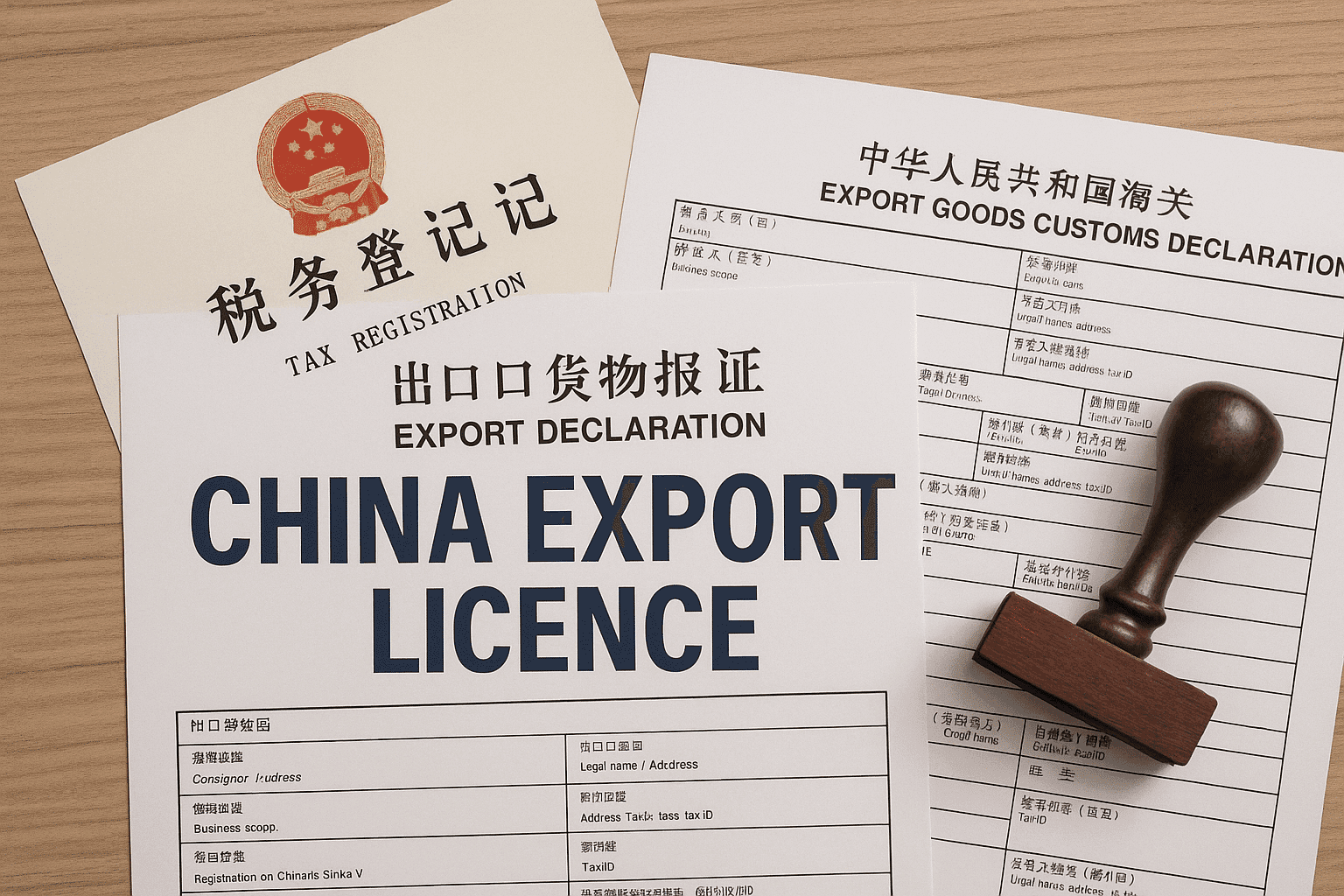
Introduction: Big Changes for Australian Importers
From 25 March 2025, China’s Announcement No. 8 introduced new China export licence compliance rules. For Australian importers, this represents one of the most important regulatory shifts in recent years. The rules target long-standing practices where factories without their own China export licences “borrowed” someone else’s licence to move goods overseas. That loophole is now effectively closed.
The implications are serious. Expect customs delays and disruptions between 1 August and 30 September 2025 while exporters and officials adjust to the new system. From 1 October 2025, penalties for non-compliance will increase, meaning Australian importers who don’t adapt quickly could face costly setbacks.
At Synergy Freight Management, our role is to help Australian businesses stay ahead of international trade changes. Let’s break down the updates in plain English and outline what you need to do now to keep your cargo moving.
Key China Export Licence Changes (Explained for Importers)
1. No More Third-Party Exporting
Previously, some factories without a china export licence relied on third parties to declare goods under their name. This workaround is now prohibited. Shipments can only be declared under the exporter’s own licence. If your supplier doesn’t have one, you will need to adjust your arrangements immediately.
2. Mandatory Tax Registration
Any exporter shipping goods subject to VAT or consumption tax must be registered with Chinese tax authorities before customs clearance. Exports are now treated much like domestic sales, which places tighter obligations on suppliers and requires more accurate documentation.
3. Factory Must Be Named on Export Paperwork
If the factory itself doesn’t hold an China export licence, export paperwork must include:
-
The licensed customs broker, and
-
The manufacturer’s legal name, registered address, and tax ID
This “dual-title declaration” introduces transparency, ensuring regulators know exactly where goods originate and preventing unauthorised parties from masking their role.
4. Domestic-Style Taxation Rules Apply
Chinese authorities are aligning export taxation with domestic rules. This means VAT and consumption tax obligations can apply to exported goods, and corporate income tax will also follow the domestic framework. Importers should prepare for the possibility of additional compliance checks and potential costs.
Why These China Export Rule Changes Matter for Australian Importers
While the new rules are aimed at improving compliance in China, the ripple effects will be felt across Australia.
For importers, the risks of ignoring these changes are significant:
-
Delays: Customs clearance may stall if the paperwork doesn’t match the new requirements.
-
Shipment rejections: Non-compliant goods may be denied entry or seized.
-
Financial penalties: Incorrect declarations can trigger fines and unplanned expenses.
-
Legal exposure: Importers who knowingly use non-compliant suppliers could face scrutiny.
In short: the era of cutting corners with china export licences is over. Australian businesses that continue working with non-compliant suppliers risk disrupting their supply chains just when enforcement is tightening.
Supplier Compliance Checklist: What Importers Should Request
To safeguard your imports, request written confirmation and supporting documents from your Chinese suppliers. Here’s what to ask for:
-
✔ Export licence number and VAT ID (screenshots or official certificates)
-
✔ Business licence showing that the company scope includes “import & export”
-
✔ Proof of China Single Window registration and confirmation of status with local tax authorities, including export rebate eligibility
-
✔ Dual-title documentation if the supplier doesn’t hold a licence (licensed broker + manufacturer identifiers such as legal name, address, and tax ID)
If your supplier cannot provide this evidence, treat it as a serious red flag. The safest option is to transition to a compliant arrangement now, well before the October deadline.
Guidance for Australian Importers
Here’s what to keep in mind when assessing your position:
-
✅ If your supplier has their own China export licence and VAT ID: Business should continue as usual with minimal disruption.
-
⚠️ If they don’t: You must take action immediately to avoid customs delays, rejected shipments, or penalties from October 2025 onwards.
Being proactive now will save you from far greater costs later.
How Synergy Freight Management Can Help
At Synergy Freight Management, we specialise in helping Australian importers manage compliance and logistics challenges. With these new Chinese regulations, we provide end-to-end support so you can trade with confidence. Our services include:
-
Supplier licence & VAT checks – We verify your supplier’s credentials quickly and accurately.
-
Paperwork reviews – Ensuring your China export declarations meet dual-title requirements where applicable.
-
Routing & scheduling plans – Designed to minimise delays during the August–September adjustment period.
-
Escalation support in China – Our on-the-ground partners work directly with suppliers and authorities to keep shipments moving.
By working with Synergy Freight Management, you reduce the risk of costly delays and gain peace of mind knowing your supply chain is compliant and protected.
Final Thoughts: Stay Ahead of the Changes
China’s export licence reforms are part of a broader trend toward transparency, accountability, and stronger tax oversight. For Australian importers, this means that old shortcuts are no longer an option.
The message is clear: check your suppliers now, request the right paperwork, and shift to compliant practices before October 2025. Doing so will ensure your goods move without disruption and your business avoids financial and legal exposure.
At Synergy Freight Management, we’re committed to keeping Australian businesses informed, prepared, and ahead of change. Contact our team today to review your supplier documentation, confirm compliance, and secure your freight strategy for the months ahead.
Related Services
Share this article
Azmi El-Ali
Managing Director, Synergy Freight Management
Azmi El-Ali is a Licensed Australian Customs Broker under the Customs Act 1901 with 10+ years experience in international freight forwarding. As Managing Director of Synergy Freight Management, Azmi helps businesses import and export goods with confidence.
Connect on LinkedIn