What Is Freight Forwarding And How Does It Work?
 Azmi El-Ali
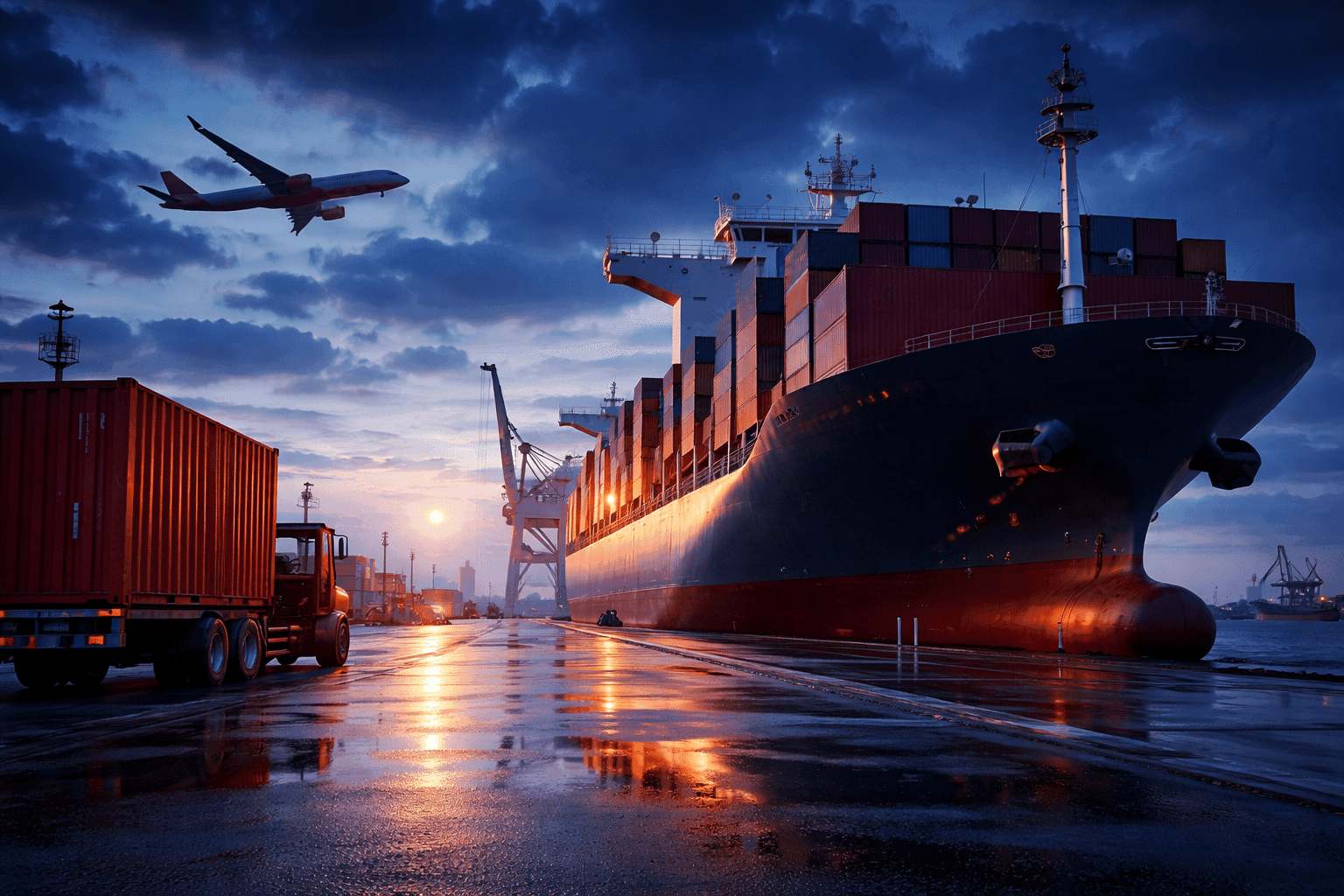
Freight forwarding is the process of organising and managing the movement of goods from one place to another, usually across international borders. It brings together shipping, documentation, customs, transport, and delivery into one coordinated service. For businesses that import or export goods, this support can make international trade far easier to handle. Instead of trying to deal with multiple providers, changing regulations, and tight timelines alone, a freight forwarder helps keep everything moving in the right direction.
For Australian businesses, freight forwarding helps reduce confusion and gives importers and exporters a clearer path through the shipping process. When cargo is moving between countries, there are many stages that need to be handled correctly. These can include booking cargo space, preparing paperwork, arranging customs clearance, managing quarantine requirements, and organising local transport to the final destination. If one part is missed or delayed, the whole shipment can be affected.
How Freight Forwarding Works
At its core, freight forwarding involves coordinating the full journey of a shipment. A freight forwarder works as the link between the shipper, the carrier, customs authorities, and local transport providers. Their role is to make sure cargo gets from the supplier to the consignee as smoothly as possible.
The process usually starts when a business is ready to import or export goods. The freight forwarder reviews the shipment details, including the cargo type, dimensions, weight, urgency, and destination. Based on that information, they recommend the most suitable transport option. This may be sea freight for larger or less urgent cargo, or air freight for shipments that need to arrive quickly.
Once the transport method is chosen, the forwarder books space with the shipping line or airline and begins arranging the required documents as part of freight forwarding. These can include commercial invoices, packing lists, bills of lading, airway bills, import permits, or other supporting paperwork. Accurate documentation is essential because even a small error can lead to delays, extra costs, or customs problems.
The Main Services Included
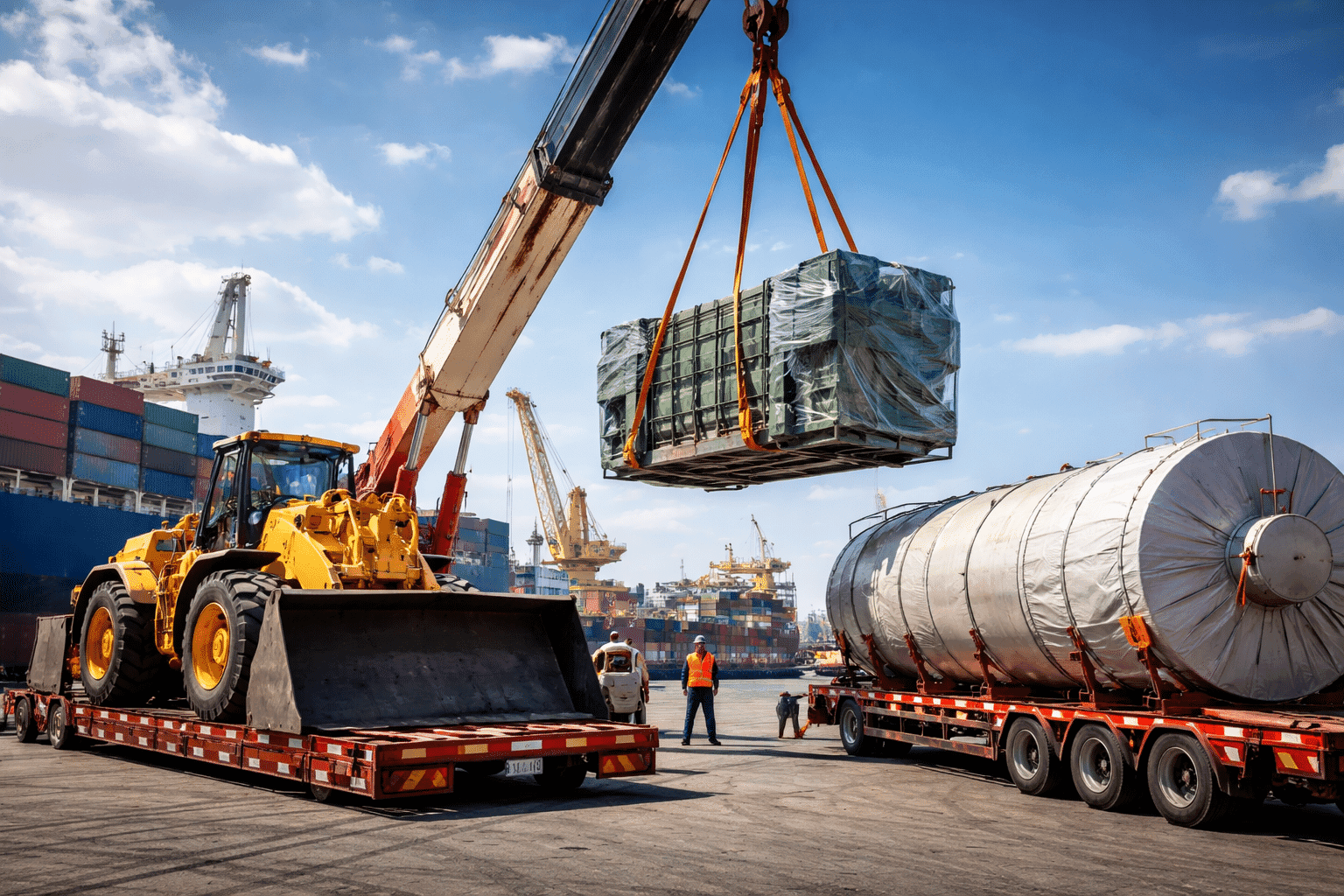
A provider offering freight forwarding will usually manage more than just the booking. In many cases, they can arrange collection from the supplier, monitor the cargo while it is in transit, coordinate customs clearance on arrival, and organise transport to the final delivery point. This end to end approach is one of the main reasons many businesses prefer using a forwarder instead of trying to manage each stage separately.
Sea freight is often used for larger or heavier shipments, especially when cost efficiency matters more than speed. Businesses importing furniture, building materials, textiles, machinery, or wholesale products often rely on sea freight because it suits regular commercial cargo and supports freight forwarding for regular international shipments. Shipments may move as full container load or less than container load, depending on the volume being imported.
Air freight is generally used for urgent, high value, or time sensitive goods. It is faster than sea freight, but usually more expensive. This makes it a practical solution for stock shortages, seasonal goods, critical parts, or products that need to reach the market quickly.
Why Businesses Use A Freight Forwarder
One reason freight forwarding matters so much is that international shipping can be complex. Many business owners do not have the time or internal resources to deal with every stage of the process. They may be focused on sales, operations, stock management, or customer service, and cannot afford to spend hours dealing with shipping schedules, customs requirements, and container movements.
A good freight forwarder removes much of that pressure. They act as a single point of contact and help coordinate the many parts involved in moving cargo internationally. This saves time and also reduces the chance of miscommunication between suppliers, carriers, and local service providers.
Another major advantage of freight forwarding is experience. Freight forwarders understand common shipping issues and know how to prevent or solve them. They can flag missing paperwork before cargo arrives, advise on realistic transit times, and explain what needs to happen for smooth customs and quarantine clearance. This practical guidance can save businesses from expensive surprises.
The Importance Of Customs Clearance
Sea freight is a common part of freight forwarding, but customs clearance is just as important. Goods entering Australia must comply with customs laws, tax requirements, and biosecurity rules. If documents are incomplete or goods are not declared correctly, cargo may be delayed, inspected, or even refused entry until the issues are resolved.
This is where professional support becomes valuable. A forwarder working alongside a licensed customs broker can help make sure shipments are classified correctly and supported by the right documents. They can also help importers understand duties, taxes, and any permits or special requirements linked to their products.
For businesses bringing in goods such as furniture, clothing, packaging, rehabilitation equipment, gym equipment, or construction products, compliance in freight forwarding is not something that should be left to guesswork. The cost of getting it wrong can be much higher than the cost of doing it properly from the beginning.
Sea Freight And Air Freight Options
Air services also sit under the freight forwarding umbrella, giving businesses flexibility when planning their supply chain. Choosing the right shipping method depends on several factors, including budget, timing, cargo size, and the nature of the goods.
Sea freight works well for businesses that can plan ahead and want a more economical solution. It is suitable for routine shipments and larger volumes. Air freight works best when speed is critical and businesses need fast replenishment or urgent delivery. Some businesses use both, depending on the shipment and the season.
A reliable logistics partner will not simply book whatever is easiest. They will look at the needs of the client and recommend the most practical option for the cargo. This can improve planning, control costs, and help the business stay competitive.
The Value Of End To End Logistics
Another major benefit of freight forwarding is the ability to connect every step of the shipment journey. International trade does not stop once cargo lands in Australia. Goods may still need to go through customs, quarantine inspection, unpacking, container transport, and final delivery. When all of these steps are managed by different providers, delays and communication issues can build quickly.
Good freight forwarding also improves visibility. Businesses want to know where their cargo is, when it is arriving, and whether anything needs attention. Clear updates and proactive communication help importers make better decisions around stock, sales, and warehouse planning. This is especially useful for growing businesses that need dependable supply chains to support expansion.
For first time importers, freight forwarding can feel like a safety net. It gives them guidance through a process that may otherwise seem overwhelming. Instead of learning everything the hard way, they can work with a team that understands the system and can explain what is needed at each stage.
Frequently Asked Questions
What exactly does a freight forwarder do?
A freight forwarder organises and manages the movement of goods across international borders, bringing together booking, documentation, customs clearance, and final delivery into one coordinated service. They act as the link between the shipper, the carrier, customs authorities, and local transport providers, making sure cargo moves smoothly from the supplier to its destination.
How do I know whether to choose sea freight or air freight?
The right choice depends on your budget, timing, cargo size, and the nature of the goods. Sea freight suits larger or heavier shipments where cost efficiency matters more than speed, such as furniture, building materials, textiles, and machinery, while air freight is better for urgent, high value, or time sensitive goods like stock shortages or critical parts.
What documents does a freight forwarder handle?
A freight forwarder arranges the paperwork needed for each shipment, including commercial invoices, packing lists, bills of lading, airway bills, and import permits. Accurate documentation matters because even a small error can lead to delays, extra costs, or customs problems.
Why is customs clearance such an important part of freight forwarding?
Goods entering Australia must comply with customs laws, tax requirements, and biosecurity rules, and incomplete or incorrect declarations can see cargo delayed, inspected, or refused entry. A forwarder working alongside a licensed customs broker helps ensure shipments are classified correctly and supported by the right documents.
Is freight forwarding worth it for a first-time importer?
Yes. For first-time importers, freight forwarding can feel like a safety net, giving guidance through a process that might otherwise seem overwhelming. Instead of learning everything the hard way, you work with a team that understands the system and can explain what’s needed at each stage.
Final Thoughts
In the end, freight forwarding gives businesses a practical way to manage international shipping with less stress and more control. It brings together transport, documentation, customs, and delivery into one coordinated service that supports smoother trade. For Australian importers and exporters, that can mean fewer delays, fewer compliance issues, and a far better shipping experience overall.
Whether a business is importing from China, Europe, the USA, or other global markets, the right logistics partner can make a significant difference. With experienced support, businesses can focus on growth while knowing their cargo is being managed carefully from origin to destination.
Related Services
Share this article
Azmi El-Ali
Managing Director, Synergy Freight Management
Azmi El-Ali is a Licensed Australian Customs Broker under the Customs Act 1901 with 10+ years experience in international freight forwarding. As Managing Director of Synergy Freight Management, Azmi helps businesses import and export goods with confidence.
Connect on LinkedIn