Importing Gym Equipment Into Australia Made Easier
 Azmi El-Ali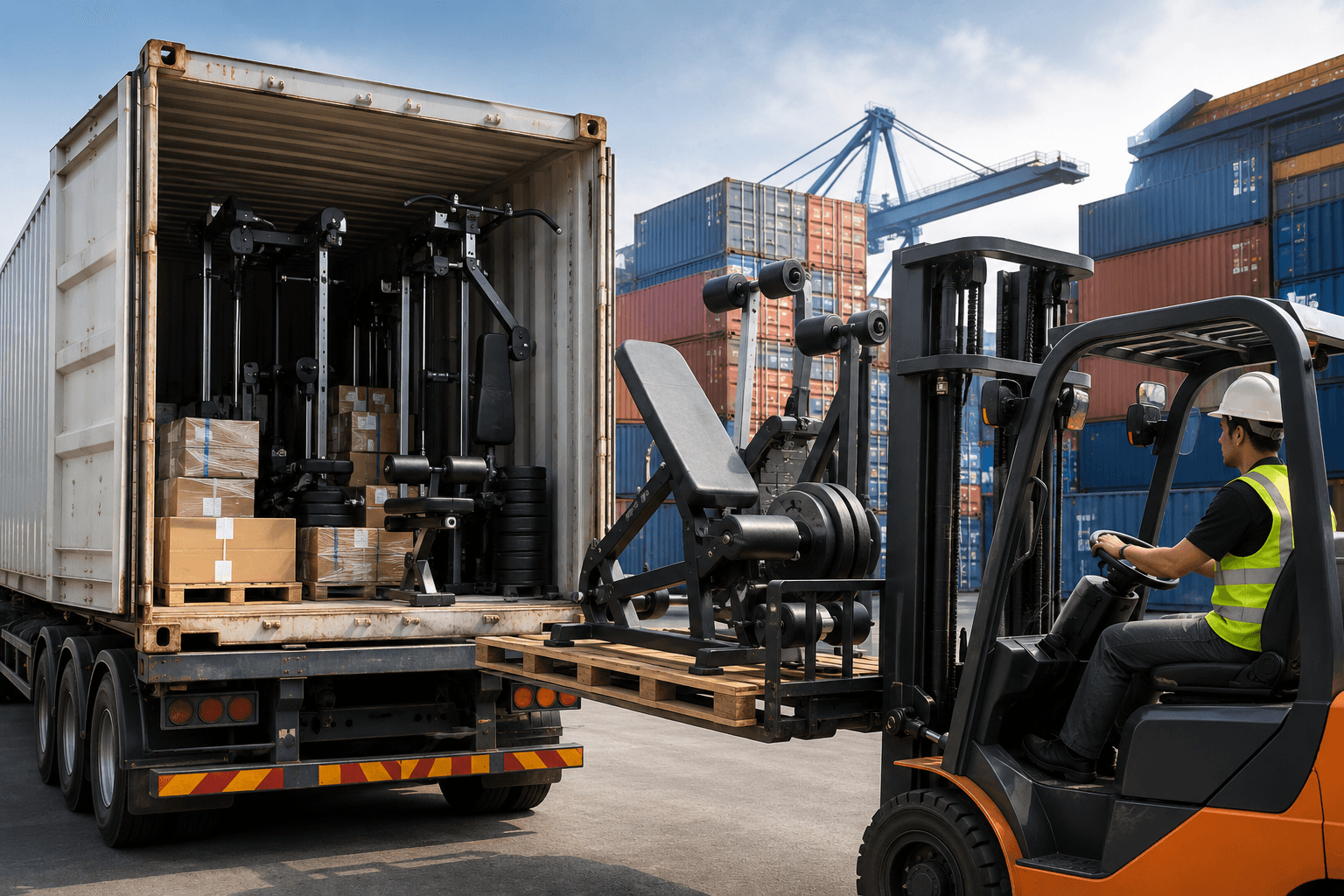
Importing gym equipment into Australia is a growing priority for fitness centre owners, hotel operators, property developers, sporting clubs, personal trainers, and individual buyers who want access to high-quality products at competitive prices.
The global fitness industry produces an enormous range of treadmills, cable machines, weight racks, barbells, kettlebells, resistance equipment, rowing machines, and rubber flooring, much of it manufactured in China and other parts of Asia where production capacity and pricing offer a clear advantage over domestically sourced alternatives. However, importing gym equipment involves more than placing an order with an overseas supplier.
Australian importers must navigate customs duties, product safety obligations, biosecurity requirements, and the substantial logistics challenge of moving heavy and oversized cargo from the factory floor to the final installation point. Synergy Freight Management helps businesses and individuals manage every step of this process with confidence.
Why Australian Businesses Choose To Import Gym Equipment
The primary reason businesses and individuals consider importing gym equipment from overseas is cost. Direct sourcing from manufacturers, particularly in China, can reduce the purchase price significantly compared to buying through Australian distributors, especially for commercial quantities. For a gym fitout involving dozens of machines and thousands of kilograms of free weights and flooring, those savings can be substantial.
Beyond price, importing gym equipment also opens access to a wider range of products, custom specifications, and branding options that may not be available through the domestic market. For fitness businesses looking to differentiate their offering or meet specific performance standards, the ability to source directly from international manufacturers is a meaningful commercial advantage.
Customs Duties And Tariff Classification
When importing gym equipment into Australia, customs duty rates vary depending on how each product is classified under the Harmonized System tariff schedule. Most categories of exercise and fitness equipment attract a duty rate of zero or five percent, but correct classification is essential.
Misclassifying products, even unintentionally, can result in overpayment of duties across multiple shipments or trigger compliance action by the Australian Border Force.Importers sourcing from China may be eligible for preferential duty rates under the China Australia Free Trade Agreement, provided the goods meet the applicable rules of origin and a valid Certificate of Origin is presented at clearance.
Synergy Freight Management’s licensed customs brokers review tariff classifications thoroughly and ensure that every concession available under applicable Free Trade Agreements is identified and applied correctly.
Product Safety And Compliance Obligations
Australia applies mandatory product safety standards to a range of consumer and commercial goods, and importing gym equipment with electrical components requires particular attention to compliance. Treadmills, motorised cable machines, elliptical trainers, and stationary bikes must meet Australian electrical safety standards and may require regulatory approval before they can be sold or placed into commercial service.
Importers bear legal responsibility for ensuring their products comply with applicable standards before they enter commerce.Non-compliant products can be subject to mandatory recalls, financial penalties, and significant liability exposure if they cause injury.
Before committing to an order, confirm with your supplier that the products have been tested to Australian standards, obtain copies of any relevant compliance certificates, and seek independent verification if needed.
Sea Freight Is The Practical Choice For Most Orders
Given the weight and volume of most commercial fitness products, sea freight is the natural mode of transport for importing gym equipment at scale. A full container load is the most cost-efficient option when your order is large enough to fill a twenty-foot or forty-foot container, while less-than-container load consolidation is a practical solution for smaller orders or mixed-product shipments.
Air freight is rarely appropriate for importing gym equipment due to the unfavourable weight-to-value ratio of most products, though it may be warranted for small quantities of high-value components or when a facility opening deadline creates genuine urgency.
Synergy Freight Management works directly with major shipping lines to access competitive rates and reliable sailing schedules, keeping freight costs manageable and transit times predictable.
Biosecurity And Packing Requirements
A frequently overlooked aspect of importing gym equipment is the biosecurity compliance required for wooden packaging materials. Pallets, crates, and timber bracing used to secure heavy fitness equipment inside shipping containers must comply with the ISPM 15 international phytosanitary standard and carry the approved treatment mark.
Shipments that arrive with non-compliant wooden packaging can be held by the Department of Agriculture, Fisheries and Forestry for mandatory treatment at the importer’s expense, adding days to the delivery timeline and unexpected costs to the landed price.
Providing your overseas supplier with clear written packing instructions that address both ISPM 15 compliance and the physical protection of heavy equipment during ocean transit is one of the most practical steps you can take before placing your order.
Getting Your Documentation Right
Accurate and complete documentation is essential when importing gym equipment through Australian customs. You will need a commercial invoice that correctly describes the goods, states the country of origin, and reflects the true transaction value, as well as a packing list that matches the physical shipment contents.
If you are claiming a preferential duty rate under a Free Trade Agreement, a valid Certificate of Origin in the correct format must accompany the shipment. For electrically powered fitness products, evidence of product safety compliance may also be requested. Requesting all documents from your supplier before the vessel departs origin, rather than after arrival, gives your customs broker the time needed to pre-lodge your entry and release your cargo promptly.
Synergy Freight Management coordinates documentation requirements with importers and suppliers at the outset of each shipment to avoid the delays that incomplete paperwork causes.
Last-Mile Delivery And Site Coordination
The final leg of importing gym equipment from the port to the installation site is where many importers encounter unexpected complications. Commercial fitness equipment is often extremely heavy, with individual machines weighing several hundred kilograms, and moving it from a container into a gym, hotel facility, or multi-level building requires careful planning.
Tail-lift trucks, pallet jacks, stair climbers, and in some cases crane or rigging access may be required depending on site conditions. Confirming delivery logistics with your transport provider well before the container arrives, including access constraints, floor loading capacity, and unloading resources, is critical to avoiding the costly scenario of a delivery truck arriving at a site that is not prepared to receive it.
Synergy Freight Management partners with carefully selected transport providers to coordinate the full delivery process through to the final destination.
Plan Your Timeline Around Your Opening Or Restock Date
For gym owners, hotel developers, and fitness retailers, the timing of importing gym equipment is often tied to a facility opening, a refurbishment schedule, or a seasonal restock window.
Sea freight from China to Australia typically takes between twelve and twenty days depending on the origin port and the Australian destination port, and that transit time must be factored into your planning alongside production lead times, customs clearance, and final delivery. Building a realistic timeline that works backwards from your required in-service date, with contingency for supplier delays or port congestion, gives you the best chance of having your equipment ready when your customers or members are.
Synergy Freight Management monitors each shipment proactively and provides consistent tracking updates so that any threat to your timeline is identified and managed early rather than discovered at the last moment.
For expert support with importing gym equipment into Australia, contact Synergy Freight Management today on +61 410 355 355 to discuss a tailored freight, customs, and delivery solution for your next order.
Share this article
Azmi El-Ali
Managing Director, Synergy Freight Management
Azmi El-Ali is the Managing Director of Synergy Freight Management. With extensive experience in freight forwarding, customs brokerage, and Australian trade compliance, Azmi helps businesses import and export goods with confidence.
Connect on LinkedIn