
NVOCC Services play a crucial role in global logistics, especially for businesses that rely on efficient and flexible shipping solutions. In today’s interconnected trade environment, understanding how freight forwarding and NVOCC services function can help companies streamline operations, reduce costs, and improve delivery timelines.
Freight forwarding is the coordination and shipment of goods from one place to another using single or multiple carriers such as ships, planes, trucks, or railways. Freight forwarders act as intermediaries between shippers and transportation services, ensuring that cargo reaches its destination safely and efficiently.
A freight forwarder handles various tasks including booking cargo space, negotiating freight charges, preparing documentation, managing customs clearance, and tracking shipments. They do not typically own transportation assets but rely on established relationships with carriers to move goods.
Businesses benefit from freight forwarding because it simplifies complex logistics processes. Instead of dealing with multiple carriers and regulations, companies can rely on a single partner to manage the entire shipping journey.
NVOCC Services refer to Non Vessel Operating Common Carrier services, which are an essential part of ocean freight logistics. Unlike traditional shipping lines, NVOCC providers do not own vessels. Instead, they lease space from shipping lines and sell it to shippers.
NVOCC providers issue their own bill of lading, assume responsibility for cargo, and act as carriers to their customers while functioning as clients to shipping lines. This dual role allows them to offer flexible and competitive shipping solutions.
NVOCC Services are particularly valuable for small to medium-sized businesses that may not have the volume to negotiate directly with large shipping lines. By consolidating shipments from multiple customers, NVOCC providers can offer better rates and more efficient shipping options.
While both freight forwarders and NVOCC providers operate in the logistics space, their roles and responsibilities differ in several ways.
Freight forwarders act as agents. They coordinate shipments on behalf of clients but do not assume full carrier responsibility. They facilitate logistics but are not the actual carriers.
On the other hand, NVOCC Services involve acting as a carrier. NVOCC providers issue their own bills of lading and take responsibility for the cargo during transit. This distinction gives them greater control over shipping arrangements.
Another key difference lies in pricing and consolidation. Freight forwarders typically arrange shipments individually, while NVOCC providers consolidate cargo, allowing them to offer cost-effective solutions through shared container space.
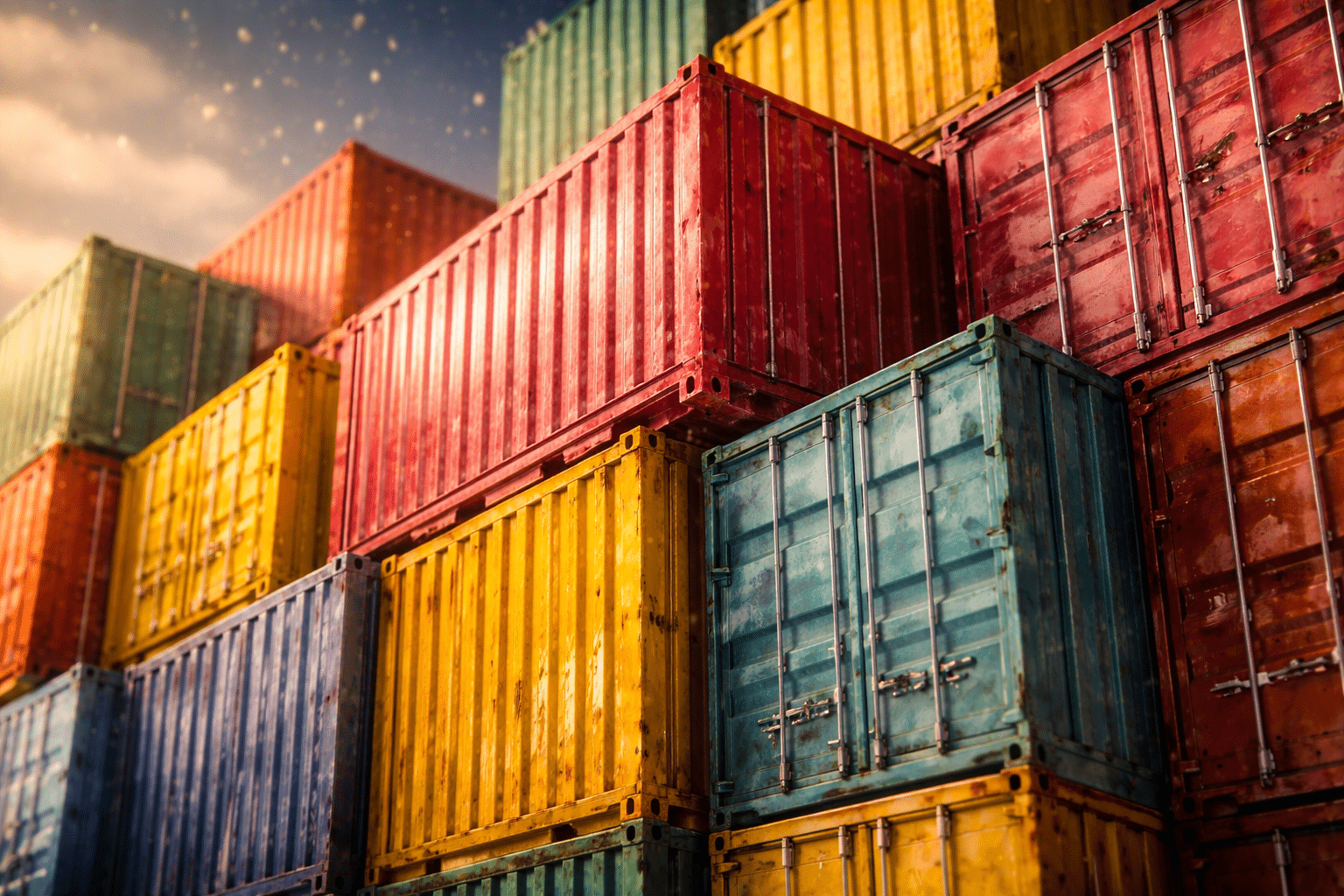
NVOCC Services operate by purchasing bulk cargo space from shipping lines at negotiated rates. They then divide this space among multiple customers, effectively consolidating shipments into full container loads.
Once cargo is booked, the NVOCC provider issues a house bill of lading to the shipper. They manage documentation, coordinate with shipping lines, and ensure that cargo complies with international shipping regulations.
During transit, the NVOCC provider tracks shipments and communicates updates to customers. Upon arrival, they coordinate with local agents to handle customs clearance and final delivery.
This process allows businesses to benefit from economies of scale without needing large shipping volumes.
There are several advantages to using NVOCC Services for international shipping.
Cost efficiency is one of the primary benefits. By consolidating cargo, NVOCC providers can offer lower shipping rates compared to booking directly with carriers.
Flexibility is another advantage. Businesses can ship smaller quantities without waiting to fill an entire container, which is particularly useful for companies with variable shipping needs.
NVOCC providers also offer simplified documentation and customer support. Since they manage the logistics process, businesses can focus on their core operations rather than navigating complex shipping requirements.
Additionally, NVOCC Services provide better access to global shipping networks. Providers often have established partnerships with multiple carriers, allowing them to offer a range of routes and schedules.
Choosing between freight forwarding and NVOCC Services depends on your business needs.
If your company requires end-to-end logistics management across multiple transport modes, a freight forwarder may be the better option. They can coordinate air, sea, and land transport while handling complex supply chains.
However, if your primary focus is ocean freight and cost savings, NVOCC Services are often the preferred choice. They are ideal for businesses looking to ship goods internationally without committing to full container loads.
Many companies use a combination of both. Freight forwarders may work with NVOCC providers to deliver comprehensive logistics solutions.
Documentation is a critical aspect of both freight forwarding and NVOCC Services. Incorrect or incomplete paperwork can lead to delays, fines, or even cargo rejection.
Key documents include the bill of lading, commercial invoice, packing list, and customs declarations. NVOCC providers issue their own bills of lading, which serve as proof of contract and receipt of goods.
Proper documentation ensures compliance with international trade regulations and facilitates smooth customs clearance. Businesses should work closely with logistics partners to ensure accuracy and completeness.
Despite their advantages, both freight forwarding and NVOCC Services come with challenges.
One common issue is fluctuating freight rates, which can impact shipping costs. Global events, fuel prices, and demand can all influence pricing.
Another challenge is regulatory compliance. Different countries have varying import and export requirements, making it essential to stay updated on changing regulations.
Delays can also occur due to port congestion, weather conditions, or customs inspections. Reliable logistics partners can help mitigate these risks by providing proactive communication and contingency planning.
The logistics industry is evolving rapidly, with technology playing a significant role in shaping its future. Digital platforms, automation, and data analytics are improving efficiency and transparency.
NVOCC Services are also adapting to these changes by integrating digital tools for tracking, documentation, and customer communication. This enhances visibility and allows businesses to make informed decisions.
Sustainability is another emerging trend. Companies are seeking environmentally friendly shipping solutions, and logistics providers are exploring ways to reduce carbon emissions.
As global trade continues to grow, the demand for efficient and flexible shipping solutions will increase. Both freight forwarding and NVOCC services will remain essential components of the supply chain.
NVOCC Services and freight forwarding are vital elements of modern logistics, each offering unique benefits depending on business needs. Understanding how they work and when to use them can help companies optimise shipping operations, reduce costs, and improve efficiency.
By leveraging the strengths of both, businesses can navigate the complexities of international trade with greater confidence and reliability.
If your business is looking to simplify international logistics and reduce shipping costs, now is the time to explore reliable solutions. Whether you need flexible ocean freight options or full logistics support, partnering with experts in NVOCC Services can make a significant difference.
Contact a trusted logistics provider today to discuss your shipping requirements and discover how tailored solutions can help your business grow.

We understand you prefer to receive or ship your products without the hassle of managing the freight process. We're your freight partners. Your success defines our own.
Copyright © 2025 | Synergy Freight Management Services | Policies