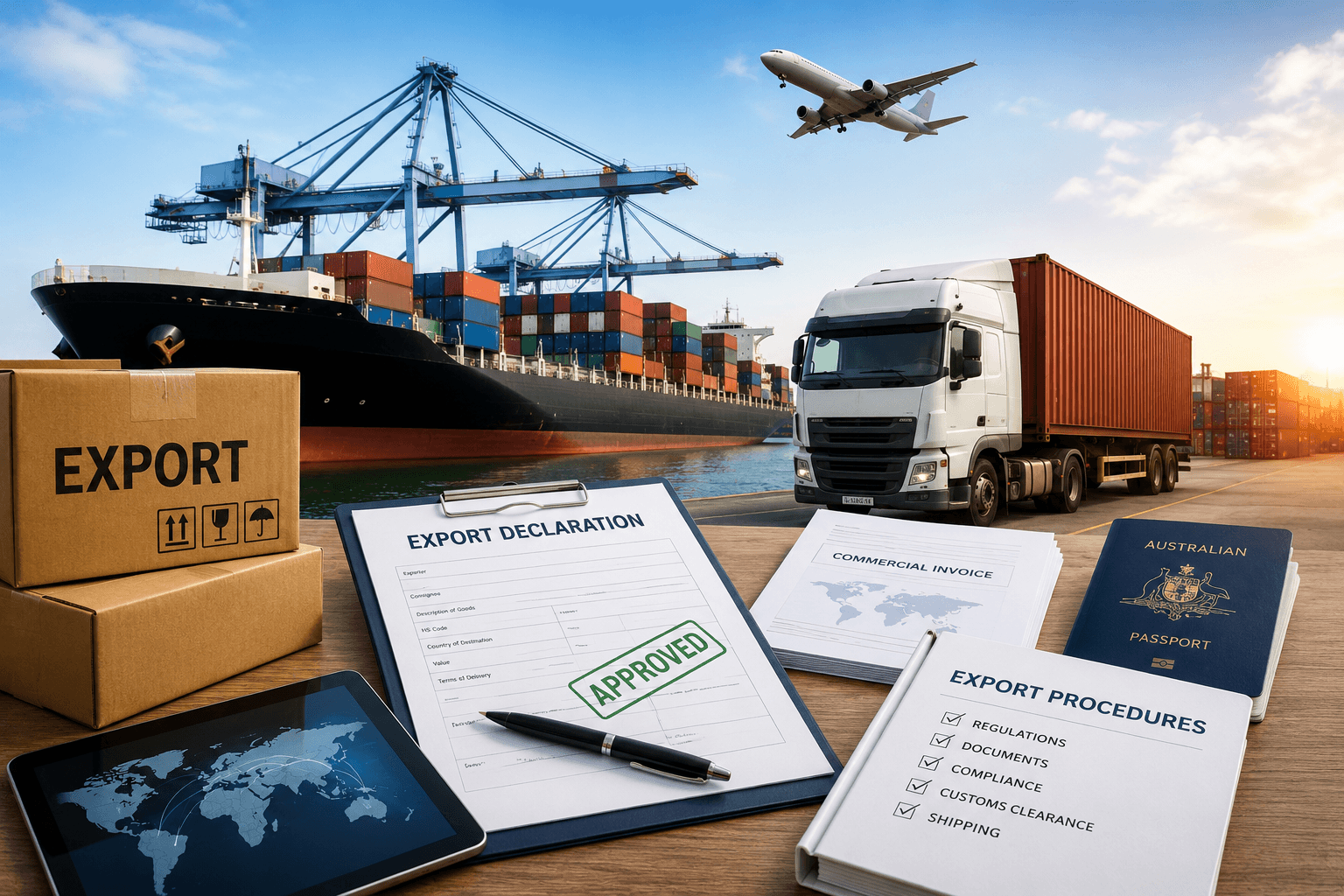
Tariff Concession Orders Cut Duty On 2026 Imports
 Azmi El-Ali
Tariff concession orders cut the landed cost of many imported goods in Australia, and 2026 is shaping up as a decisive year for SMEs determined to sharpen margins without cutting quality. By understanding how the system works and aligning your documentation, you can reduce duty outlays, speed up border clearance, and stabilise cash flow. This guide explains what matters in 2026, how to qualify, and how a proactive freight forwarder and customs broker can help you claim every available saving.
What Are Tariff Concession Orders
Tariff concession orders are official instruments that allow eligible goods that have no substitutable local manufacture to enter Australia at a reduced, at a zero, rate of customs duty. In plain English, if an item is not made here, you may not have to pay the normal tariff on it. The policy intent is to keep Australian businesses competitive by lowering input costs on goods that cannot be sourced domestically.
Why 2026 Matters For Importers
A new calendar year always brings updated tariff schedules, product rulings, and industry shifts. For 2026, importers should expect continued scrutiny on origin claims, greater emphasis on precise product descriptions, and a closer look at components versus finished goods. All of this increases the value of planning, because the difference between a clean, well-documented entry and a messy one can be weeks of delay and unnecessary duty exposure. When you are juggling inventory, cash flow, and customer expectations, a small improvement in landed cost and lead time can make a large commercial difference.
The Core Business Benefit
The headline advantage is duty relief. With tariff concession orders in place for the right goods, your business can direct savings into stock, staffing, marketing, or simply building a buffer against currency volatility and carrier surcharges. Savings compound over multiple consignments, which is why experienced importers treat concessions as a standard part of their landed-cost model rather than a nice-to-have.
Eligibility, In Plain Terms
To benefit from tariff concession orders, your product must align with the exact description in the relevant order, and there must be no substitutable goods made in Australia that perform the same function. The description matters. A minor variance in materials, dimensions, or function can change the classification outcome. Supporting documentation such as detailed product specs, drawings, or brochures is often decisive. Where uncertainty exists, a broker may conduct a market check for local manufacture or advise on whether a new application is warranted.
How Applications And Usage Work
Some importers rely on existing concessions, while others need to apply for a new one if their goods are unique. Either way, the workflow is straightforward when you prepare early. Gather authoritative technical descriptions, ensure your supplier’s paperwork matches, and map product SKUs to tariff codes with supporting rationale. When an order exists, reference it correctly and consistently on your import declaration. When it does not, consider whether the likely duty savings justify a fresh application. A well-prepared file speeds decisions and reduces back-and-forth with authorities, which is valuable when shipments are already on the water or in the air.
Common Pitfalls To Avoid
One recurring error is assuming a close-enough product will qualify for tariff concession orders. Another is relying on marketing language rather than technical specifications. A third is failing to keep evidence that no substitutable local product exists at the time of import. Finally, importing multiple variants under one description without verifying that each variant fits can lead to reassessments, penalties, or both. A disciplined approach prevents these surprises and protects your cash flow.
Where A Freight Partner Adds Value
For many SMEs, the smartest path is partnering with a single team that manages international freight, customs clearance, and last-mile delivery. A hands-on broker can pressure-test your product descriptions, match them to the tariff, and confirm whether tariff concession orders apply. That same team can ensure your documents, commercial invoices, and packing lists are consistent from shipper to border to warehouse, which minimises holds and inspection risk. The practical benefit is predictability. When you know your likely duty exposure well before departure, you can price with confidence.
A Quick Example
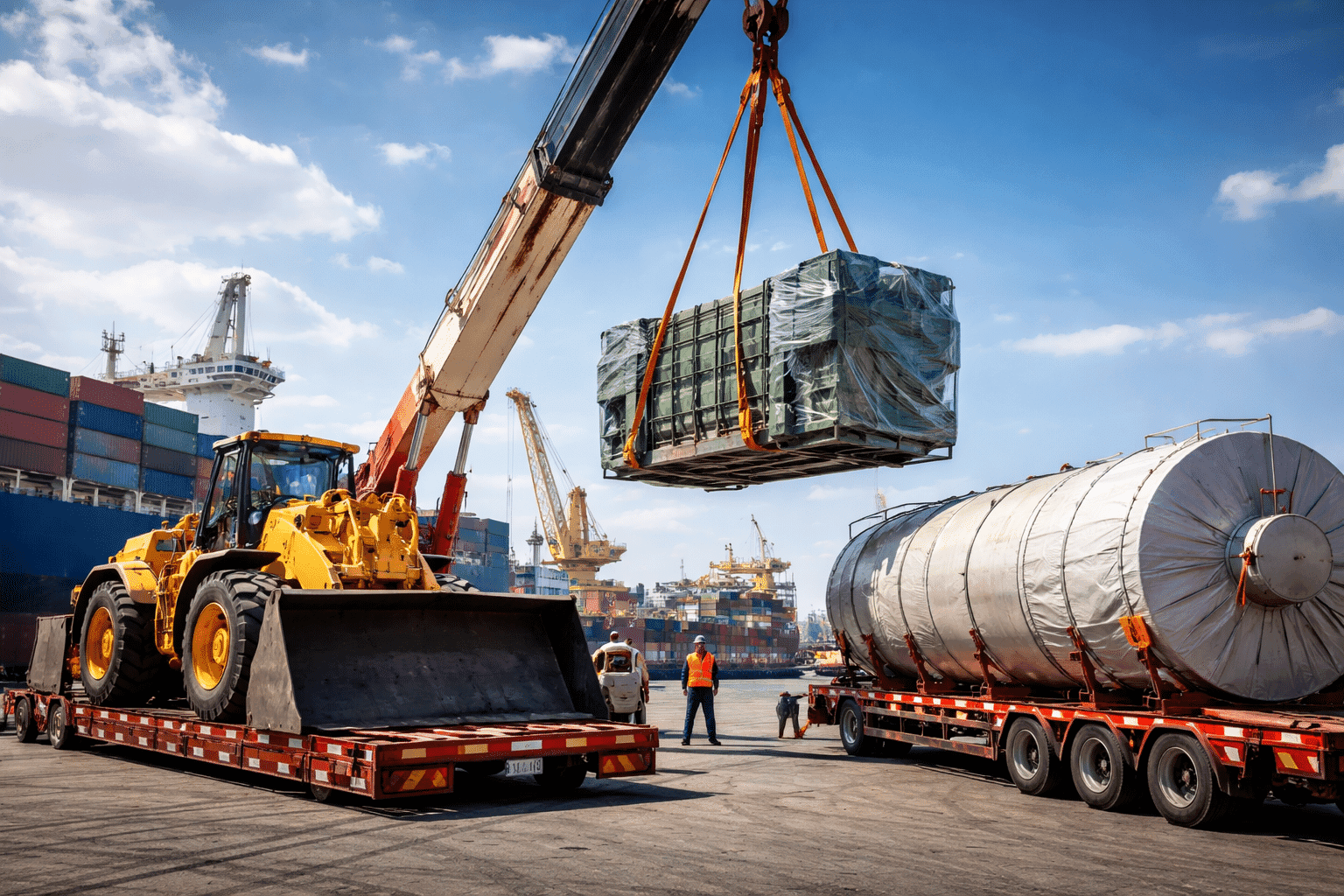
Consider a gym equipment importer bringing in specialised rehabilitation devices not manufactured in Australia. With the right classification and reference to tariff concession orders, the importer cuts the duty rate to nil, improves landed pricing, and reinvests the savings into spare parts inventory. The outcome is faster fulfilment for rehab clinics and a stickier customer base. The same logic applies to machinery, components for fit-outs, and certain packaging materials, provided the description matches precisely.
Documentation That De-Risks Your Entry
Success rests on clear, consistent paperwork. Ask suppliers to include model numbers, materials, technical functions, standards compliance, and precise dimensions on invoices or attached specifications. Maintain a product library that maps each SKU to its tariff code, relevant notes, and any linked tariff concession orders. Train your team to use the exact description every time, and to alert your broker before introducing a new variant. Consistency is the low-cost way to stay compliant and avoid rework.
Sea Or Air, Plan Backwards From Your ETA
Whether you ship FCL or LCL by sea, or prioritise air for urgent consignments, plan your concession strategy before booking. For sea freight, align cut-offs, document readiness, and customs instructions so your declaration is pre-lodged, cutting down time at the terminal. For air freight, have data ready for immediate border processing to avoid storage charges. Either mode benefits from a single point of contact who knows your product catalogue and can apply the correct tariff concession orders without delay.
The Cash Flow Angle
Duty reductions improve your per-unit margin, but they also improve timing. Fewer holds and fewer corrections mean fewer surprise costs such as storage or de-hire. Over a quarter, that can be the difference between chasing issues and focusing on growth. Treat your concession work as part of your cash management, not just a regulatory chore.
A Practical 2026 Checklist
- Confirm whether your target goods match any existing tariff concession orders with precise product language.
- Validate there is no substitutable local manufacture at time of import, and keep evidence on file.
- Align supplier documentation, model numbers, and specifications with your customs description.
- Map SKUs to tariff codes, notes, and linked concessions, then train staff to use them verbatim.
- Pre-advise your broker before purchasing new models or variants so classification can be confirmed.
- Pre-lodge declarations where possible to compress clearance timelines.
- Review outcomes quarterly, updating your library and capturing savings in your pricing model.
How Synergy Freight Management Can Help
We combine international freight forwarding with licensed customs brokerage, which means we manage the journey from pick-up to final delivery while optimising your border outcomes. Our team tracks shipments closely, manages quarantine requirements, and ensures all details in your declaration align with the description required to use tariff concession orders. For new or scaling importers, we provide clear guidance, daily updates in transit, and rapid follow-through at the terminal, which reduces risk and frees your team to focus on sales and service.
Ready To Optimise Your 2026 Imports
If you suspect your goods qualify but you are unsure about the next step, we can review your product specs, check for applicable tariff concession orders, and advise on a clean path to compliant duty savings. Contact Synergy Freight Management for a tailored plan that aligns freight, customs, and delivery with your growth goals.
Related Services
Share this article
Azmi El-Ali
Managing Director, Synergy Freight Management
Azmi El-Ali is a Licensed Australian Customs Broker under the Customs Act 1901 with 10+ years experience in international freight forwarding. As Managing Director of Synergy Freight Management, Azmi helps businesses import and export goods with confidence.
Connect on LinkedIn