Choose the Right Transhipment Hub to Australia
 Azmi El-Ali
Transhipment hub decisions can make or break your route to Australia. Get this right and cargo flows smoothly through international gateways, hitting delivery dates with fewer headaches and lower costs. Get it wrong and you risk rolled cargo, surprise charges, and delays at the worst possible time. In this guide, we break down how to evaluate hubs, what matters for Australian-bound freight, and how partnering with a savvy forwarder keeps everything on track.
Why the choice matters
Speed, reliability, and total landed cost are shaped long before your goods reach an Australian port. The connecting port that consolidates and redirects cargo across trade lanes is the lever you control. When your forwarder selects a route, the right transhipment hub saves days on the water, stabilises schedules, and reduces exposure to congestion surcharges or storage. For SMEs balancing cash flow and customer timelines, those gains are golden.
What a hub actually does
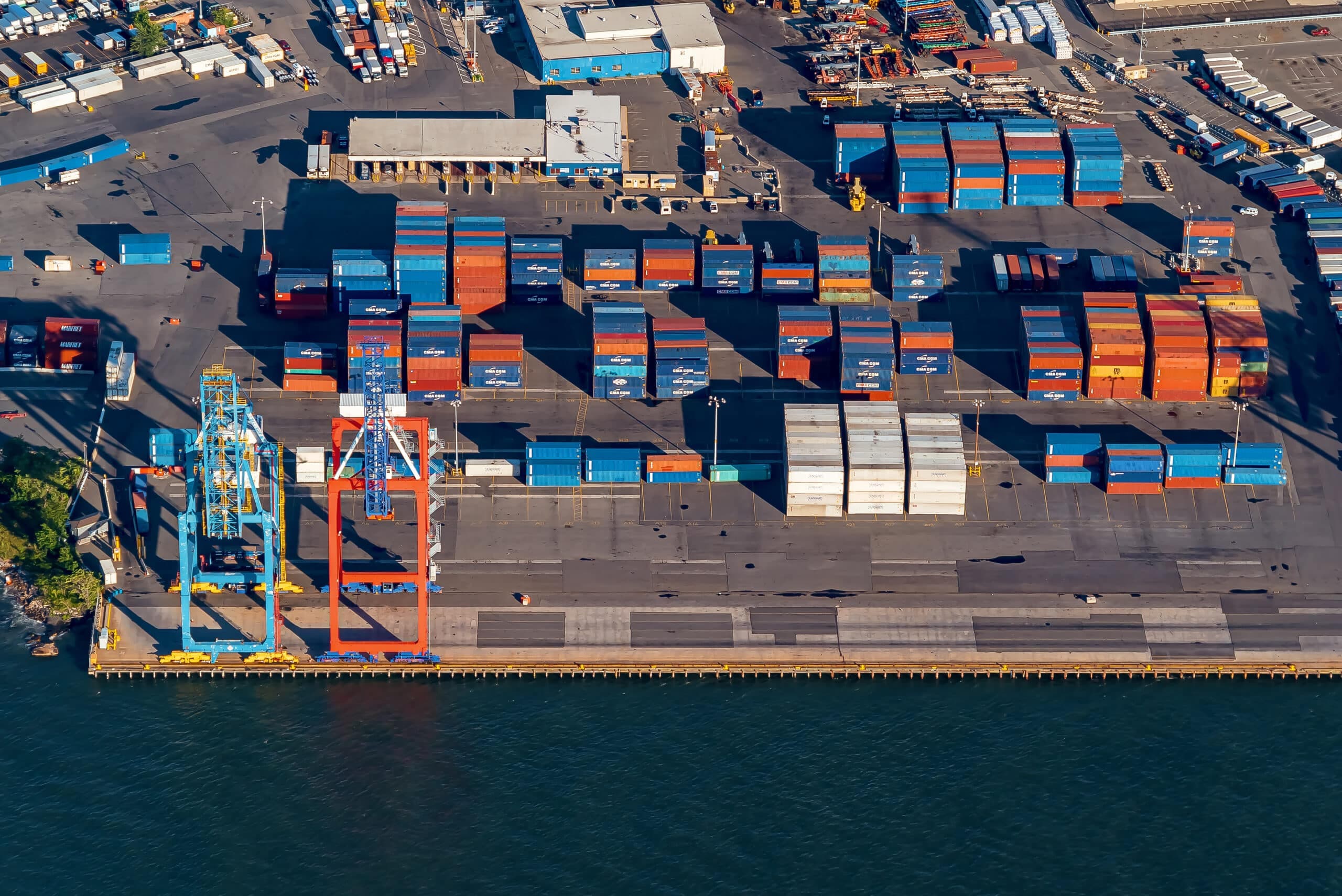
A transhipment hub is a port where containers or air cargo transfer from one vessel or flight to another en route to Australia. Think of it as the switching yard of global trade. Great hubs offer deep carrier coverage, frequent sailings, dependable ground operations, and strong customs and biosecurity processes for transit freight. Poor hubs pile up delays, limited capacity, and patchy communications.
The big geography question
When shipping to Australia, your hub is usually in Asia or the Middle East for sea freight, and in major aviation gateways for air. Choosing a transhipment hub in the Asia–Pacific ring can keep transit times tight for goods from China, Southeast Asia, and North Asia. Middle East hubs often shine for Europe or Africa origins. The optimal pick depends on origin, service frequency, and your deadline.
What to evaluate, step by step
- Sailing or flight frequency
More weekly sailings or daily flights means better protection against disruptions. It also increases your chance of catching the next connection if a delay occurs. - Carrier and alliance coverage
Multiple carriers using the same transhipment hub create competition on price and space. It also gives your forwarder flexibility to re-route during peak seasons. - Port performance and congestion history
Look at historical rollover rates, crane productivity, and seasonal congestion. The best hubs keep dwell times tight, even during peak. - Customs and biosecurity handling for transit
Transit cargo still faces checks. Your transhipment hub should offer robust procedures that prevent paperwork issues from turning into storage fees. - Value-added services
Some hubs offer container repairs, fumigation, or special handling. If you ship timber, textiles, or machinery, having those services on hand can save time before the final leg. - Cost transparency
Beyond ocean or airfreight rates, ask for a granular view of hub charges, potential storage, and rehandling. Your transhipment hub should offer predictable tariffs to reduce surprises.
Matching the hub to your cargo
Not all products need the same pathway. Furniture and building materials tolerate a slightly longer sea route if it is reliable. High-value fashion or small-batch components may prefer a faster air bridge via a dependable transhipment hub with minimal connection risk. Medicinal or regulated items benefit from hubs known for compliance and careful documentation.
Risk management you can feel
Capacity crunches, industrial action, and weather can all disrupt plans. Evaluate whether the transhipment hub has enough carriers, cranes, and berth windows to absorb shocks. Ask how often shipments are rolled, and how quickly the next connection can be secured. Confirm whether priority loading options exist for urgent cargo. For mission-critical consignments, consider splitting lots across two sailings to diversify risk.
Documentation makes the difference
Australia’s customs and biosecurity standards are among the strictest in the world. For SMEs, the transhipment hub needs transparency around documentation, especially for timber, textiles, machinery, and any goods needing treatment certifications. Clean, complete docs prevent transit holds that snowball into storage and rebooking fees. A strong customs brokerage partner is essential here, guiding what must be ready before cargo leaves origin.
A practical shortlisting process
Shortlist your transhipment hub by comparing three measurable factors:
- Transit time reliability: Not just average days, but on-time consistency over the past six months.
- Cost stability: Track how often local port charges and surcharges fluctuate.
- Rollover resilience: How easily can cargo be moved to the next departure without a week-long delay?
Score each hub 1 to 5 on these metrics for your key trade lane. Pick the one with the highest total, then keep a backup option ready for peak season.
Sea freight vs air freight hub logic
For sea freight, route density and weekly departures often dominate. If a port pairs frequent services with efficient yard operations, you get predictability at scale. For air freight, connection times, cargo cut-off windows, and ground handling reliability carry more weight. Your preferred transhipment hub must align with the product’s risk tolerance and the promise you make to your customers in Australia.
Real-world examples
- Homewares and furniture from China to Sydney: A Singapore transhipment hub works well due to high frequency and strong carrier coverage. Minor delays are absorbed by the next sailing rather than pushing delivery by a full week.
- Fashion from Europe to Melbourne by air: A Middle East transhipment hub with tight connection windows and reliable ground handling keeps boutique drops on schedule.
- Machinery parts from multiple Asian origins: A consolidated route through a high-capacity transhipment hub simplifies coordination, lowers handling overlaps, and shortens total lead time.
How Synergy keeps the edge for Australian importers
As a Sydney-based forwarder and licensed customs brokerage, Synergy Freight Management focuses on the end-to-end journey: origin coordination, hub selection, customs and quarantine, and final-mile delivery nationwide. We work directly with airlines and shipping lines, provide proactive tracking, and manage border formalities in-house for speed and compliance. This combination reduces admin load for SMEs and keeps shipments moving with fewer interruptions.
Your action plan for the next shipment
- Share your timeline and product profile. Are you optimising for cash flow or speed?
- Confirm hub priorities. Decide if frequency, cost stability, or value-added services matter most.
- Lock in documentation early. Get treatment and origin certificates ready to prevent transit holds.
- Secure space in peak season. Book earlier and keep a backup route open via an alternate transhipment hub if your lane is tight.
- Monitor and adapt. If a hub shows rising dwell times, switch to your Plan B route quickly.
Why this matters to your customers
Reliability is a brand promise. When containers hit Australian ports on time, your inventory stays healthy, backorders shrink, and customer confidence grows. A well-chosen transhipment hub quietly strengthens your reputation, turning logistics from a stress point into a competitive edge.
Talk to a team that lives and breathes this
Finally, confirm your transhipment hub with your forwarder before booking, and insist on clear visibility through every leg of the journey. If you want practical advice tailored to your trade lane, cargo, and budget, we are ready to help.
Ready to map the best route to Australia?
Contact Synergy Freight Management for an expert route and hub review.
Related Services
Share this article
Azmi El-Ali
Managing Director, Synergy Freight Management
Azmi El-Ali is a Licensed Australian Customs Broker under the Customs Act 1901 with 10+ years experience in international freight forwarding. As Managing Director of Synergy Freight Management, Azmi helps businesses import and export goods with confidence.
Connect on LinkedIn