RCEP Tariffs In Australia Import Savings SMEs Can Unlock
 Azmi El-Ali
RCEP tariffs are the quiet cost cutter many Australian SMEs have been waiting for. If you import from Asia, you now have access to the world’s largest trade bloc by GDP and population, which means lower or zero duties on a huge list of products, faster customs processing, and a simpler path to compliant paperwork. In this guide, we unpack how to turn RCEP tariffs into real, bankable savings while keeping your supply chain agile and compliant.
What Is RCEP and Why It Matters
The Regional Comprehensive Economic Partnership links Australia with key Asian partners including China, Japan, South Korea, New Zealand, and the ASEAN nations. The headline for importers is straightforward. Preferential duty reductions apply if your goods qualify under the agreement’s rules of origin. Understanding RCEP tariffs is step one. Applying them consistently and correctly is where the real savings kick in.
The Savings Opportunity For SMEs
For small and medium businesses, every percentage point saved on customs duty improves margin, pricing power, or both. RCEP tariffs offer reduced or eliminated duties on many categories common to Australian SMEs, such as machinery, textiles, apparel, furniture, homewares, building materials, fitness equipment, and packaging inputs. Even a modest reduction on frequent shipments adds up quickly across a year. Treat it like compound interest for your landed cost.
How To Qualify And Prove Origin
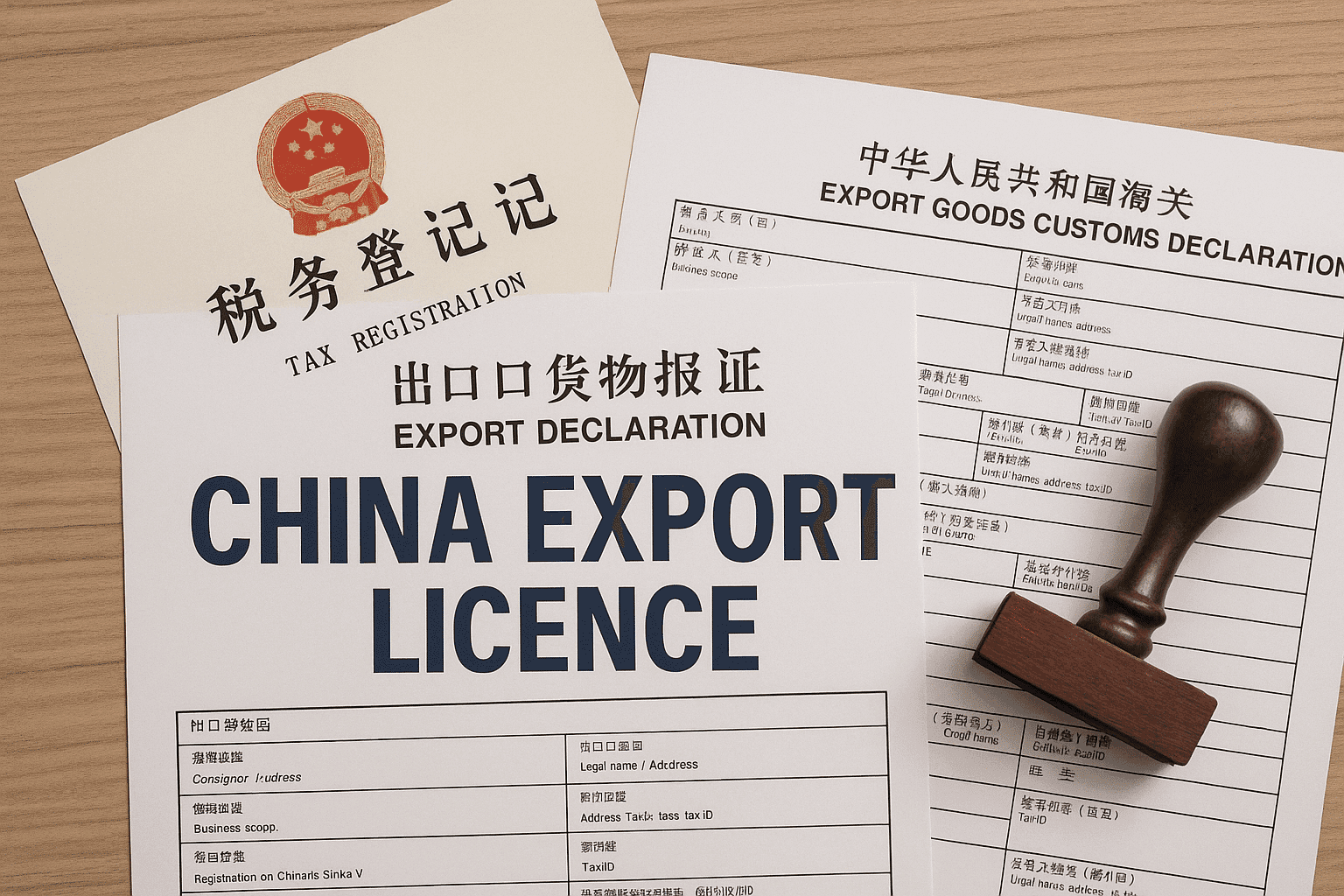
To unlock the benefits, you need to prove origin. That means your product must meet the RCEP rules of origin and be accompanied by the correct origin documentation issued by the exporter or manufacturer. This is where many importers leave money on the table. They assume the supplier will handle it, but suppliers may not know the Australian border requirements. A proactive approach ensures your paperwork lines up with RCEP tariffs so your entry is processed duty free where applicable.
Key steps:
- Confirm the HS code for each product. Accuracy is crucial.
- Map the product against the relevant RCEP schedule to confirm the rule of origin.
- Work with your supplier to obtain valid proof of origin that aligns with Australian requirements.
- Keep records tidy. Customs can request evidence after the fact.
Landed Cost Advantage In Plain English
Your landed cost equals product price plus international freight plus insurance plus duty plus taxes plus local delivery. If duty drops from 5 percent to zero under RCEP tariffs, that saving falls straight to your cost of goods sold. On high value shipments, that can be thousands of dollars. On regular LCL consignments, it can fund a price improvement or offset currency movements. Either way, it strengthens your position.
Where The Wins Are Hiding
Many SMEs ship across multiple categories. You might be importing plywood for shopfitting, textiles for a private label line, and gym equipment for B2B clients. Each category can be assessed under RCEP tariffs. Look beyond headline duty rates and consider:
- Product variations. Slight spec changes can alter classification.
- Bill of materials. For manufactured goods, components may affect origin.
- Supplier footprint. If your supplier sources parts from different countries, confirm how that impacts origin calculation.
Ocean Or Air Freight, The Paperwork Still Matters
Whether you move by sea or air, the customs treatment is the same. That means your duty outcome is driven by your classification, valuation, and origin proof. For time sensitive launches, moving initial batches by air can bring the product to market faster, while subsequent sea freight replenishes stock at a lower per unit cost. Pairing the right mode with RCEP tariffs gives you speed when you need it and savings every time.
Avoid These Common Pitfalls
- Incorrect HS codes that push your product into a non-preferential category.
- Incomplete origin documentation that fails a desk check.
- Overlooking product updates. A new component or supplier can break origin eligibility.
- Assuming all items qualify. Some lines will remain dutiable. Build that into forecasts.
A quick pre-shipment review prevents rework at the border and ensures you actually capture the benefits offered by RCEP tariffs.
Forecasting And Negotiation Power
When you can quantify the new duty position, you can renegotiate supplier terms, sharpen retail pricing, or enhance your quote win rate in B2B channels. Model two scenarios in your budgeting. First, your historical duty rate. Second, the preferential rate under RCEP tariffs. The delta is your value pool. Decide how much to invest in price competitiveness, how much to bank as margin, and how much to allocate to marketing or product development.
Documentation That Speeds Clearance
Border agencies want clarity and consistency. Ensure your commercial invoice, packing list, bill of lading or air waybill, and certificate or declaration of origin align. Use consistent product descriptions that match your HS codes. Keep serial numbers or model references stable. If your documents tell one cohesive story that supports RCEP tariffs, your entries move faster and with fewer questions.
Practical Example
Imagine a Sydney based importer bringing in commercial furniture for hospitality fitouts. Historical duty at 5 percent on a $120,000 shipment equals $6,000. If the goods qualify and you apply RCEP tariffs at zero, you remove that $6,000. That could fund upgraded packaging to reduce damage claims, or allow a sharper bid to win a national rollout. Repeat across quarterly shipments and your annualised saving could top $20,000 to $30,000 depending on mix and volume.
Build A Repeatable Playbook
Create a simple checklist for every SKU and supplier:
- HS code confirmed and reviewed annually.
- Origin rule understood and documented.
- Supplier trained to provide correct proof of origin.
- File ready before cargo departs.
- Periodic post entry review to confirm the result matched expectations.
This makes the benefits of RCEP tariffs systematic, not sporadic.
Why Work With A Customs Broker And Freight Partner
The rules are complex, and mistakes are costly. A licensed customs broker who lives and breathes classification, valuation, and origin can validate your approach, prepare entries, and defend your position if queried. A connected freight forwarder coordinates airlines and shipping lines, manages cut offs, tracks milestones, and syncs documentation so your clearance is ready when your vessel or flight lands. That is where a partner like Synergy Freight Management shines, bringing air freight, sea freight, customs clearance, quarantine management, and local delivery under one roof for a smooth, compliant experience that maximises the upside of RCEP tariffs.
Quick Action Plan For Your Next Shipment
- List your top five SKUs by import value.
- Confirm HS codes and check eligibility under RCEP tariffs.
- Request or update origin evidence from suppliers.
- Quote both standard duty and preferential duty in your landed cost model.
- Lock in freight mode and timelines with documentation prepared upfront.
- Book clearance with your broker so your entry references the correct preference.
The Bottom Line
Preferential trade agreements reward the organised. If you import regularly from the RCEP region, your competitors are pursuing the same savings. The difference will be who executes better. Treat documentation as a profit centre, make your data exact, and use freight and brokerage partners that align the moving parts. Do this, and you will find that RCEP tariffs are not just a piece of policy but a practical lever you can pull for immediate financial results.
Ready To Unlock Your Savings
If you want an expert eye on your classifications, origin proof, and shipment planning, our team can help you translate RCEP tariffs into measurable margin improvements on your next consignment.
Related Services
Share this article
Azmi El-Ali
Managing Director, Synergy Freight Management
Azmi El-Ali is a Licensed Australian Customs Broker under the Customs Act 1901 with 10+ years experience in international freight forwarding. As Managing Director of Synergy Freight Management, Azmi helps businesses import and export goods with confidence.
Connect on LinkedIn