
Manage freight risk by building a freight strategy that protects your business from delays, rising costs, supply chain disruptions, and compliance issues. For Australian SMEs importing or exporting goods, unstable markets can put real pressure on profit margins, delivery timelines, and customer relationships. When shipping conditions change quickly, businesses that prepare early are far better placed to stay competitive.
Australian SMEs are operating in a freight environment that can shift without much warning. Shipping line congestion, airline capacity changes, customs delays, quarantine issues, geopolitical events, and fluctuating transport costs can all affect the movement of cargo. Learning how to manage freight risk is essential, because even a single delay can create a ripple effect across purchasing, stock control, production, and sales..
For smaller and growing businesses, these challenges can feel even more intense. Large businesses may have bigger buffers, stronger buying power, and more internal resources. SMEs often need to move quickly, protect cash flow, and keep customers informed while working with tighter timelines and budgets. That is why it is important to manage freight risk with a practical and proactive approach rather than waiting for a problem to happen.
Freight risk does not begin when cargo is already delayed. It usually starts much earlier in the process. It can begin with unclear supplier communication, incorrect documentation, poor Incoterm selection, limited shipping options, or unrealistic delivery expectations.
Many Australian importers experience problems because they rely on a shipment plan that only works when everything goes perfectly. In unstable markets, that is rarely enough. To manage freight risk effectively, SMEs need to review every stage of the supply chain, from supplier booking and export documentation through to customs clearance, quarantine requirements, and final delivery.
When you understand where the risks are, you can reduce the chance of disruptions becoming expensive business problems.
One of the most effective ways to reduce freight risk is to improve planning before the goods even leave the supplier. Late bookings, poor packing, incomplete paperwork, and vague product descriptions all increase the chance of delays. If your supplier is not aligned with your freight requirements, you may end up paying for avoidable mistakes.
Businesses can manage freight risk by setting clearer expectations with suppliers. That includes confirming production timelines, booking dates, packaging standards, commercial invoices, packing lists, and any documents needed for customs and quarantine. It also helps to confirm whether your goods require special treatment, fumigation, or extra declarations before shipment.
The more organised the origin process is, the smoother the shipment is likely to be once it reaches Australia.
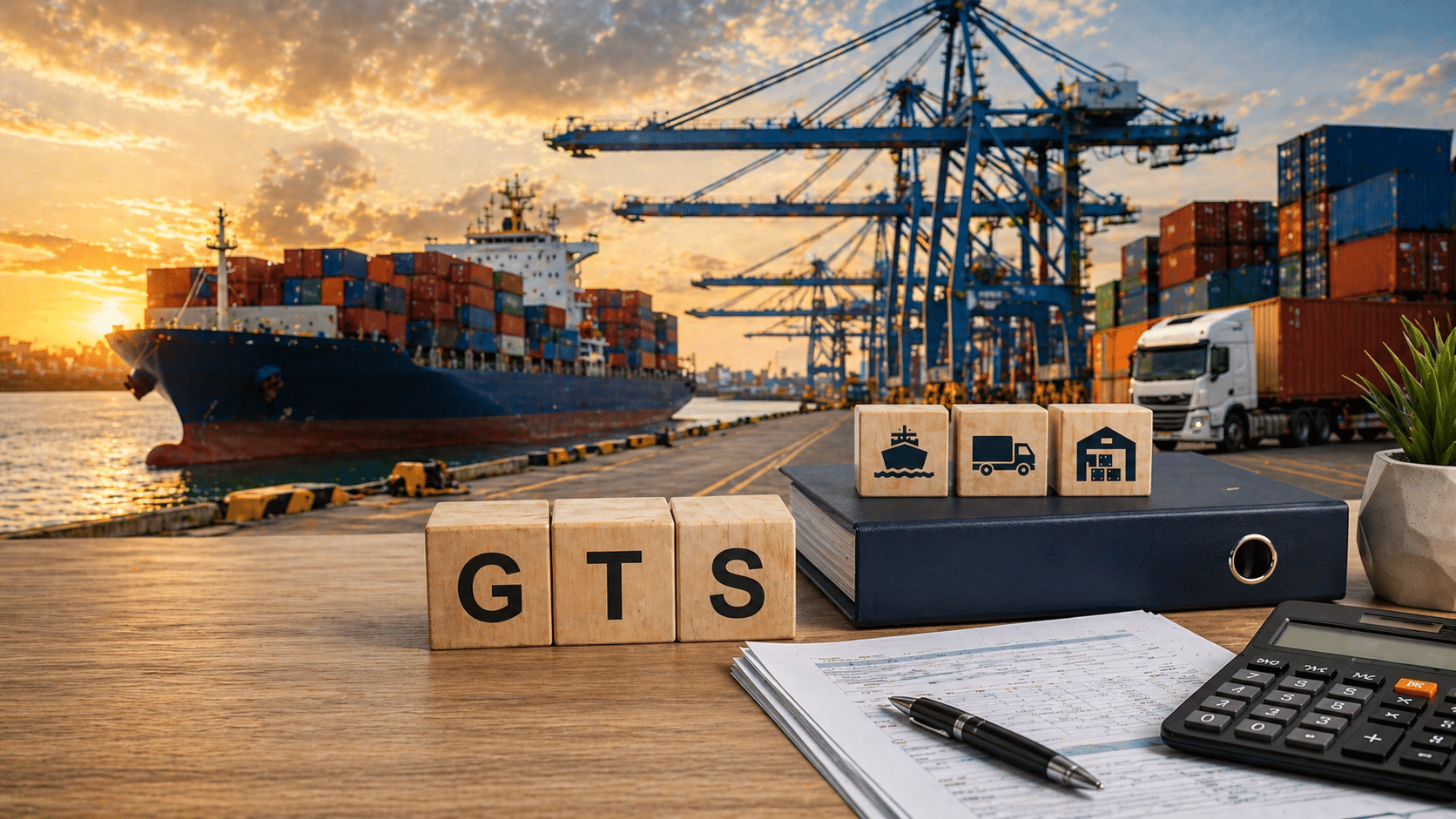
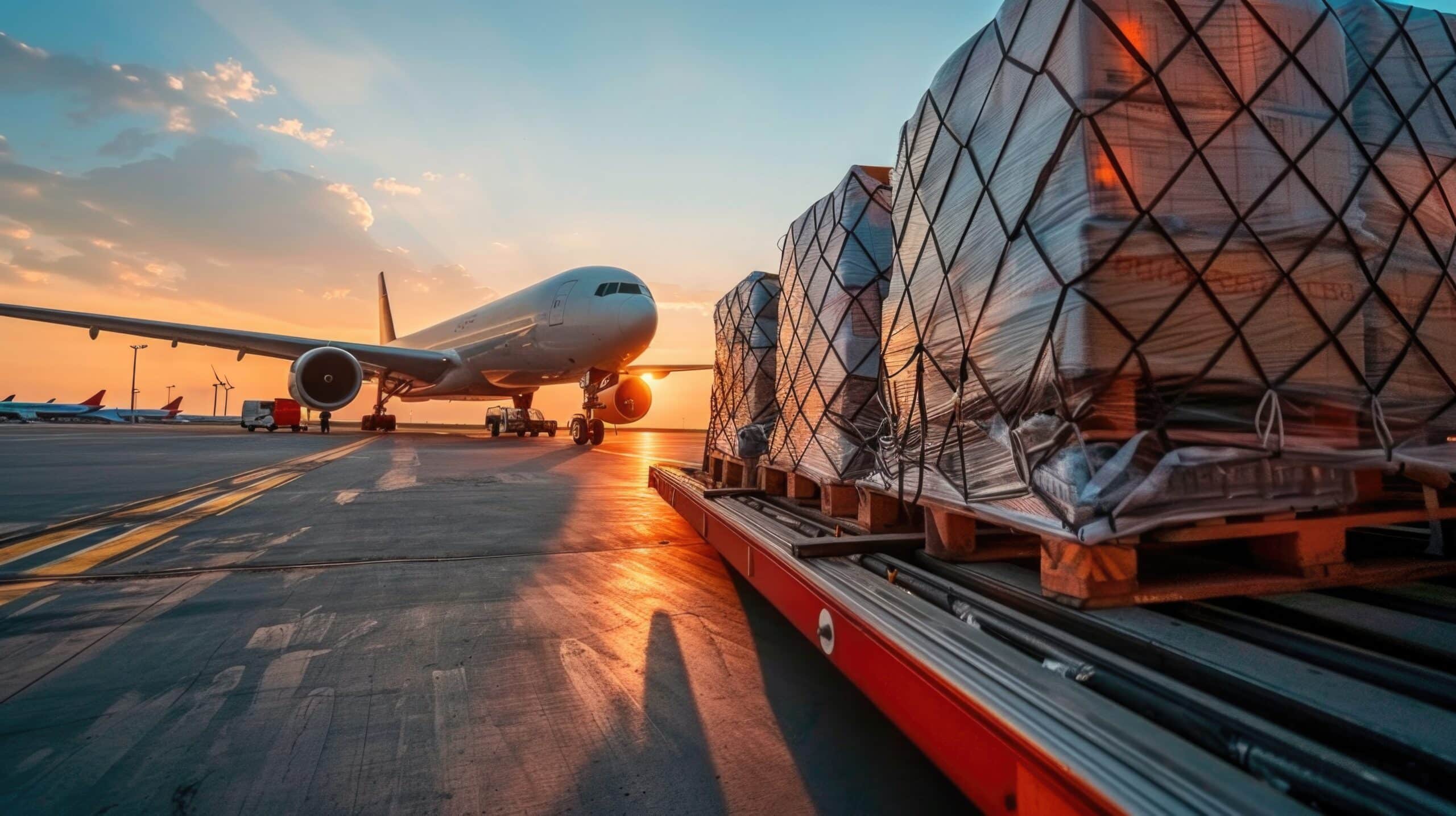
Not every shipment should move the same way. In unstable markets, choosing between air freight and sea freight becomes a strategic decision rather than just a pricing decision. To manage freight risk, Australian SMEs need to consider urgency, shipment volume, delivery deadlines, supplier reliability, and potential route disruptions. Sea freight may offer better value for larger volumes, while air freight can help protect urgent stock, support time-sensitive deliveries, or avoid severe disruptions on slower routes.
To manage freight risk well, SMEs should assess each shipment based on urgency, value, cargo type, and customer demand. Some businesses benefit from splitting shipments, sending urgent stock by air while moving the balance by sea. Others reduce risk by using less than container load services for flexibility or full container load options for better control over larger consignments.
A smart freight strategy is not just about cost. It is about choosing the right solution for the commercial risk involved.
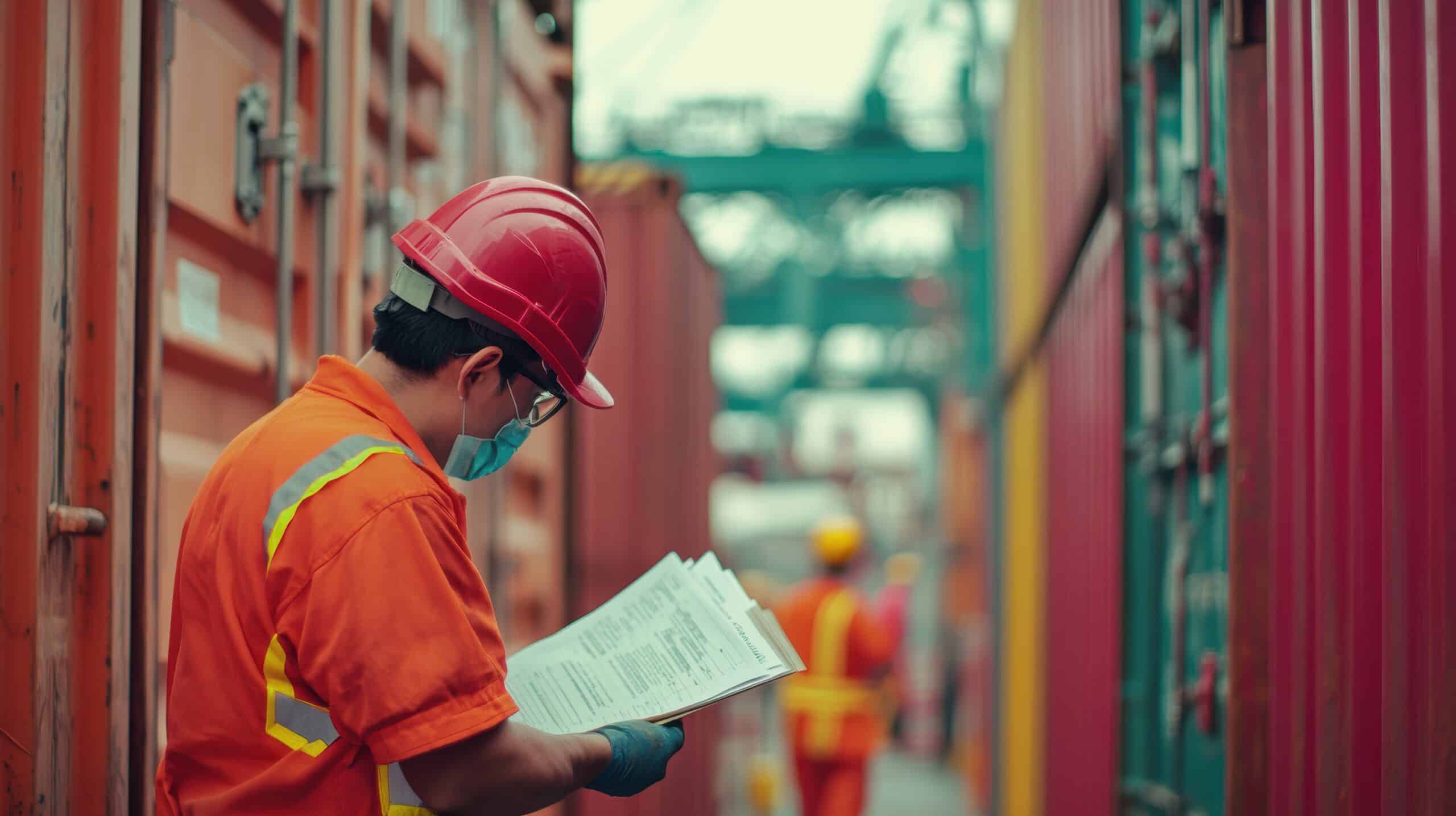
Customs delays can be costly, especially when goods are time-sensitive or needed to fulfil orders. Incorrect tariff classifications, incomplete invoices, missing permits, or unclear product descriptions can all create border delays. In some cases, quarantine inspections may also hold cargo longer than expected.
This is why SMEs need to manage freight risk by preparing properly for customs and biosecurity requirements. Accurate documentation is critical. Product descriptions should be specific, values should be correct, and supporting paperwork should be ready before the cargo arrives. Businesses importing timber products, food-related goods, textiles, machinery, medical items, or other regulated products need to be especially careful.
Working with an experienced customs broker can make a major difference. It helps reduce errors, avoid penalties, and improve the speed of clearance when market conditions are already uncertain.
Freight risk is often connected to inventory risk. If your stock levels are too lean, even a small shipping delay can lead to missed sales, project hold-ups, or unhappy customers. If you over-order without planning, you may create storage pressure and tie up cash flow.
To manage freight risk in unstable markets, Australian SMEs should review reorder points, safety stock levels, and lead times regularly. What worked in a more stable shipping environment may no longer be suitable. A shipment that once took a predictable amount of time may now require additional contingency.
This does not mean overstocking everything. To manage freight risk, it means knowing which products are critical to your business and creating sensible buffers around them. For many SMEs, a more balanced inventory plan helps reduce the pressure caused by unpredictable freight timelines.
Poor communication can turn a manageable delay into a serious business issue. If you do not know where your shipment is, what is causing the hold-up, or what action is needed, it becomes harder to make good decisions. This affects internal teams, customers, and suppliers.
Businesses can manage freight risk more effectively when they work with a freight partner that provides regular updates, realistic expectations, and early notice of issues. Good communication allows you to adjust delivery schedules, inform customers, plan warehouse activity, and protect relationships before frustration grows.
For SMEs, this level of visibility is extremely valuable. It supports better decision-making and reduces the stress that comes from uncertainty in the supply chain.
In unstable markets, the cheapest option is not always the safest option. Low-cost freight choices may come with limited service, poor communication, weak visibility, or greater exposure to delays and hidden charges. While managing cost is important, freight decisions should also consider reliability, service quality, and compliance support.
To manage freight risk properly, SMEs should look at the total cost of the shipment, not just the upfront freight rate. A lower rate can quickly become more expensive if it leads to delays, demurrage, missed deadlines, or customs issues. A more reliable freight solution may protect your margin far better over time.
This is especially important for importers who rely on stock availability, project delivery, or repeat customer orders.
Freight risk increases when too many providers are involved and no one is managing the full picture. A business may have one company handling origin freight, another managing customs, and another looking after local delivery. When delays happen, communication gaps and finger-pointing can make the situation worse.
Australian SMEs can manage freight risk more confidently by working with one experienced partner that can coordinate freight forwarding, customs clearance, quarantine support, and local transport. This simplifies communication, improves accountability, and creates a more efficient process from origin to final delivery.
It also gives growing businesses a stronger foundation for long-term freight planning rather than reacting to every shipment individually.
Unstable markets are likely to remain part of the global freight landscape, but that does not mean Australian SMEs have to accept constant disruption. To manage freight risk, businesses need to plan early, communicate clearly, prepare documentation properly, and build flexibility into their shipping strategy. The businesses that perform best are usually the ones that treat freight planning as a proactive part of their supply chain, not a last-minute task.
To manage freight risk successfully, SMEs need more than a booking service. They need a freight and customs partner that understands the pressures of importing and exporting in changing conditions and can help reduce problems before they escalate.
Synergy Freight Management supports Australian businesses with freight forwarding, customs clearance, quarantine coordination, and end-to-end logistics solutions designed to keep cargo moving. Contact Synergy Freight Management today to build a more resilient supply chain.

We understand you prefer to receive or ship your products without the hassle of managing the freight process. We're your freight partners. Your success defines our own.
Copyright © 2025 | Synergy Freight Management Services | Policies