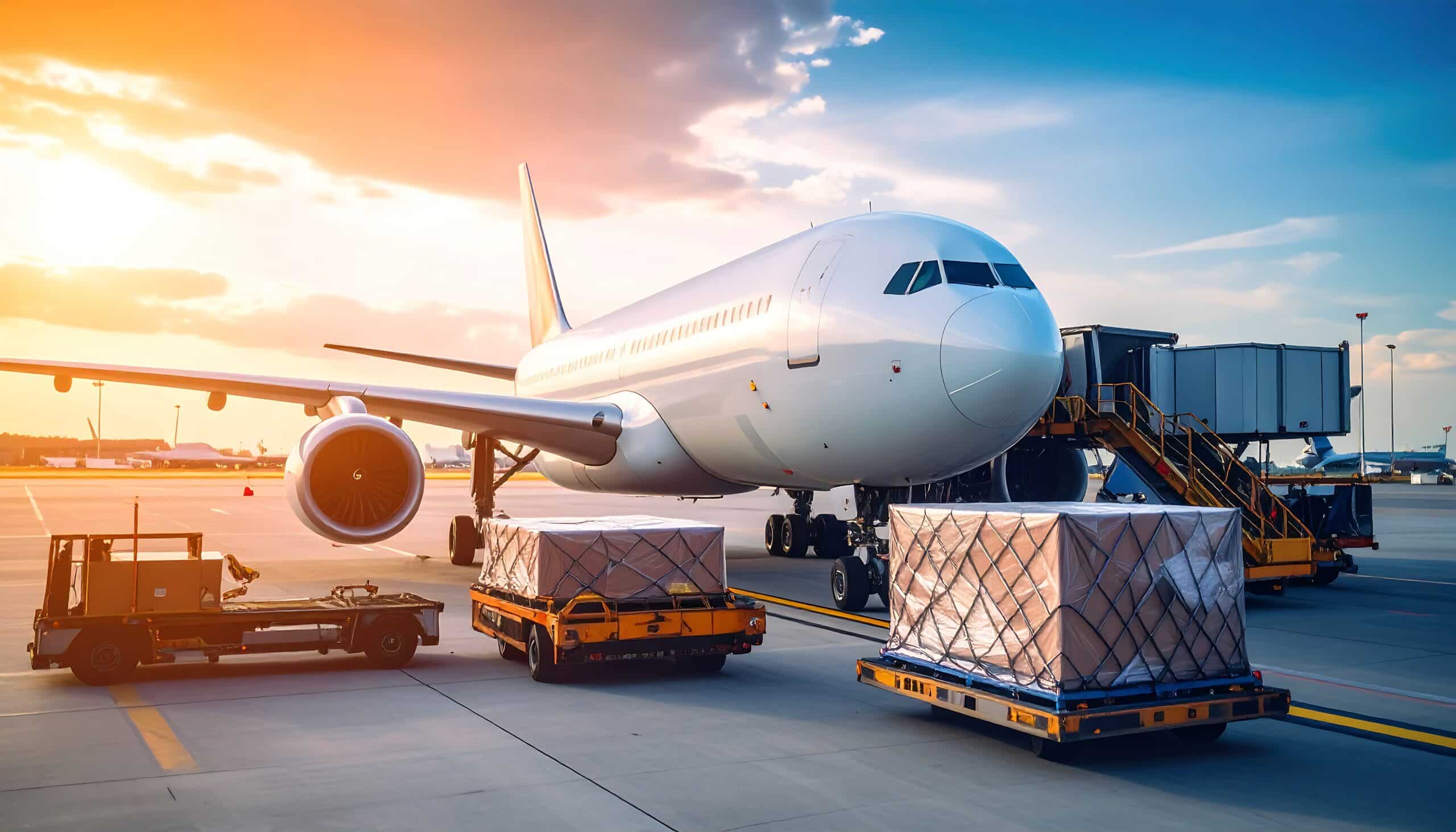
Dim Weight and Palletisation for Air Freight Savings
 Azmi El-Ali
Weight and palletisation is the quickest way to slash air freight costs without sacrificing speed. At Synergy Freight Management, we help Australian importers and exporters optimise cartons, crates and pallets so you pay for less dead space, keep freight compliant and move goods faster from airport to warehouse. In this guide, we unpack how dimensional weight works, why pallet choices matter and the practical steps you can take today to reduce charges while improving delivery performance.
What Dimensional Weight Really Means
Airlines charge using whichever is higher: the actual scale weight or the dimensional weight, often called volumetric weight. Dimensional weight is calculated using a set divisor to convert volume into a billable weight. If your cartons are bulky but light, the dimensional result can cost more than the physical kilos. That is exactly why weight and palletisation deserves your attention from the very start of any shipment planning. By designing packaging around airline volumetric rules, you can avoid paying for air that you do not need to fly.
Why Pallet Strategy Changes Your Bill
Pallets protect cargo and streamline handling, but the wrong pallet size or stacking pattern can inflate your chargeable weight. A pallet that slightly exceeds a break point may push your consignment into a higher dimensional bracket. Conversely, a well planned pallet profile that respects airline height limits and footprint tolerances often reduces the cubic total. Think of weight and palletisation as two sides of the same coin. Your packaging density and your pallet layout must work together to keep the billable figure low without risking damage or delays.
The Synergy Method For Smarter Packing
Our team collaborates with shippers and suppliers to review product dimensions, carton strength and inner pack configurations. We test sample layouts, model different carton sizes and simulate how they land on a standard airline pallet. The goal is to increase pack density and reduce voids. That is where weight and palletisation provides measurable wins. Small adjustments like using a tighter flute carton, right sizing inserts or swapping two medium cartons for three smaller ones can cut the volumetric total enough to pay for the packaging upgrade many times over.
Choose Pallets That Fit The Flight
Not every pallet is created equal. Air freight commonly uses lightweight, airline accepted pallets that maximise aircraft contour space. Where possible, we recommend switching from heavy timber to approved lightweight options to reduce tare and improve stacking. More importantly, consider the finished height. Exceeding an airline height limit can trigger rework, delays or repalletisation at destination. Build your plan around weight and palletisation to keep within those limits and maintain a consistent stack pattern that resists shifting in transit.
Protect Goods Without Paying For Air
Protection is vital, but padding can get wasteful. Use corner boards, edge guards and cross ties to increase stability without ballooning volume. Bubble wrap and soft fillers are best used sparingly and with purpose. For fragile goods, consider custom foam that follows product contours rather than generic void fill. Again, weight and palletisation is your decision filter. Every protective element should add real resilience while preserving a tight cubic profile.
Common Mistakes That Drive Up Costs
The most expensive errors are the simplest to avoid. Oversized master cartons, overhang on pallets, mixed height layers and irregular stacks all create voids that you still pay to fly. Another culprit is inconsistent carton sizes that make interlocking impossible. A consistent modular set of cartons designed around pallet footprints usually yields a squarer, denser build. The habit of taping lids into a dome is also a trap, because bowed tops distort the measured height. Review these points through the lens of weight and palletisation and you will see where quick fixes exist in your current process.
Work The Numbers Before You Book
Before you lock in a flight, run the calculations. Measure length, width and height of each carton and each completed pallet. Apply the airline dimensional divisor to validate which figure will be billed. If the dimensional number is higher than the scale weight, rework the plan. This is where a logistics partner adds value. We validate line by line, building an accurate pre shipment cost model. Using weight and palletisation as a planning tool rather than an afterthought prevents invoice surprises and keeps margins predictable for your sales team.
Customs, Compliance And Time Savings
Efficient packing does more than cut transport charges. Uniform pallets pass through x ray and manual screening faster and suffer fewer interventions. Clean labelling with visible weights and dimensions reduces handling queries. Solid corner protection reduces punctures so cartons remain readable and compliant on arrival. By aligning with weight and palletisation best practice, you shorten ground time at both origin and destination, reducing storage fees and the risk of missed connections on tight routings.
Supplier Collaboration Is Essential
Most packing decisions happen upstream with your manufacturer or exporter. Provide them with your carton and pallet specs at the purchase order stage, not the week of departure. Share target dimensions, maximum pallet height and preferred stack pattern images. Offer a sample pallet map they can follow. When suppliers understand weight and palletisation requirements, they can cut bespoke cartons, pre band pallets correctly and deliver cargo to the airline already optimised. That cooperation turns into faster turnarounds and fewer airport adjustments.
Practical Playbook You Can Use Today
- Audit your last three air consignments and list actual versus dimensional weight per pallet.
- Identify top offenders where dimensions exceeded scale weight by more than 15 percent.
- Redesign those cartons with right size packaging and stronger internal supports.
- Standardise carton families that interlock neatly on your chosen pallet footprint.
- Target a uniform pallet height that meets airline limits and suits your warehouse racking.
- Train your team to measure, photograph and sign off every pallet against a simple checklist labelled weight and palletisation.
- Share results with your supplier network and make it part of your purchase order terms.
Follow these steps and you will watch the cubic total drop while damage and rework also decline.
How Synergy Freight Management Helps
As an Australian forwarder, customs broker and transport organiser, we bring hands on guidance at every step. We liaise with airlines for the best uplift options, manage customs and quarantine requirements in house and coordinate local delivery to your final destination. During quoting, we model scenarios to show how a different pallet or carton set could change your chargeable weight. During operations, we inspect inbound cargo, repack if required with your approval and provide daily tracking so you know where savings are being realised. It all loops back to weight and palletisation, because that is where speed, safety and savings converge.
Final Word
Air freight is the right choice when timelines matter. Paying for air that you cannot sell is not. By focusing on weight and palletisation from the moment you place a purchase order, you turn packaging and pallet design into a profit lever. Tighter cartons, smarter stack patterns and airline friendly pallets translate into smaller bills, faster clearances and happier customers. If you are ready to review your current setup or want us to model a shipment before you book, contact the Synergy Freight Management team. We will help you turn clever packing into dependable savings on your next flight.
Related Services
Share this article
Azmi El-Ali
Managing Director, Synergy Freight Management
Azmi El-Ali is a Licensed Australian Customs Broker under the Customs Act 1901 with 10+ years experience in international freight forwarding. As Managing Director of Synergy Freight Management, Azmi helps businesses import and export goods with confidence.
Connect on LinkedIn