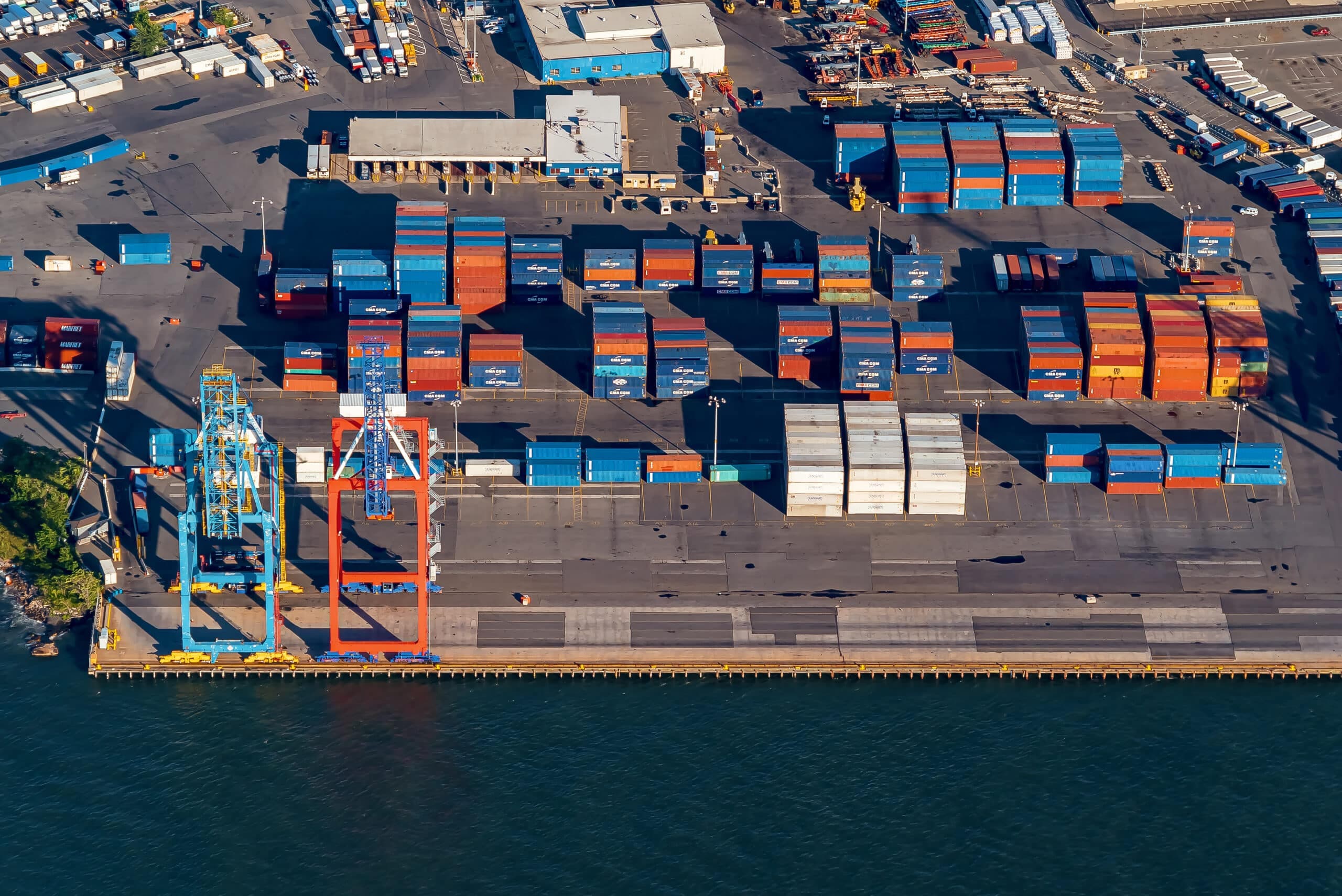
Wharf Storage, Side Loader and Depot Fees: Avoid Bill Shock
 Azmi El-Ali
Wharf storage is the silent budget killer that catches many importers off guard, especially on their first few sea freight moves. Those daily charges start clocking the moment your container lands, and if clearance or delivery drags, the bill climbs fast. In this guide I will break down how these costs arise, how side loader delivery and depot fees fit into the picture, and the practical moves that keep your landed cost predictable and low.
Where the fees start
Most wharf storage charges trace back to missed free time and slow handoffs, not bad luck. Terminals grant a limited window to collect containers after discharge. Once that clock runs out, storage accumulates by the day. Customs and biosecurity holds, incomplete documents, or late vessel arrivals can compress that window. You cannot control everything, yet you can set yourself up so that delays do not cascade into a nasty invoice.
Paperwork prep that wins back days
Think of wharf storage as a race against admin friction. If your commercial invoice, packing list and any licences are complete and accurate, your customs broker can clear cargo quickly. Pre-alerts from your supplier should arrive days before the vessel. When documents land early, your broker can lodge entries, manage any duty or GST, and position you for immediate collection once the terminal releases. That time buffer is often worth more than squeezing another five dollars off a freight rate.
Using side loaders to leave the port faster
Side loader trucks are a hero tool for importers who want fast, no fuss ground delivery, and they can help reduce wharf storage. With a side loader, the driver lifts the container on and off at your premises, no separate crane booking, no lengthy waiting for site equipment. This flexibility means your container can leave the port sooner, which cuts the odds of extra days racking up at the terminal. Be mindful that side loader lift fees are higher than a straight trailer, yet the time you save can offset the premium nicely.
How depot handling fits into the total bill
There is a tight relationship between wharf storage and depot fees that kick in after port collection. If your container heads to a third party depot for unpack or inspection, expect handling, forklift and storage charges there too. The trick is to plan whether you will do a full unpack at your site or a professional unpack at a depot, then stick to that plan. A clear decision avoids double handling, two sets of storage, and wasted courier runs for loose cartons.
Customs, biosecurity and targeted inspections
Customs and biosecurity processes can influence wharf storage more than any other factor. For certain commodities, the Department of Agriculture may direct inspections or treatments, such as fumigation. If that happens after the container is already racking up days at the wharf, costs snowball. Ask your broker ahead of time if your goods are likely to be targeted. Where risk is known, you can pre-book inspections or treatments at an approved facility off-port, move the box quickly, then complete requirements without the wharf clock ticking.
Book transport like a pro
Transport timing is the difference between a smooth week and bill shock caused by wharf storage. Aim to pre-book your truck as soon as the vessel ETA firms up, with a backup slot a day later in case the terminal shifts times. Provide clear receiving hours and site access rules. If you need after-hours or a strict delivery window, share that early so the operator can allocate the right vehicle. When trucks, paperwork and terminal slots align, you glide through the port and never see an extra day on the statement.
Demurrage vs terminal storage
Demurrage is often confused with wharf storage, yet it is a separate fee paid to the shipping line when you hold the container too long outside the port. You could avoid storage at the terminal by moving quickly, then overrun your free days at your premises or at a depot, and get billed demurrage instead. The cure is the same discipline that prevents wharf storage. Book your unpack crew, have forklifts ready, sort site labour, and return the empty container within the allowed time.
Plan for cash flow and clarity
Cash flow planning smooths the ride when wharf storage risk is present. Ask your forwarder for a landed cost estimate that includes likely terminal, side loader and depot charges. Good operators will outline best case and expected case scenarios and note any risks, like holiday periods or peak season congestion. Understanding this range lets you approve invoices without panic and lets your team price goods with confidence.
Keep communication tight
Communication is your cheapest lever against wharf storage. Confirm the HS codes with your broker, confirm if goods are subject to quarantine, confirm whether the supplier has packed to Australian standards, confirm the incoterms and who pays each segment. When your forwarder handles freight, customs and local delivery in one chain, there are fewer handoffs where messages go missing. That integrated approach reduces the common causes of delay that trigger storage fees.
Choose integrated partners
Partnerships pay off in the long run, and they show in your wharf storage outcomes. A forwarder who works directly with airlines and shipping lines, who manages in-house customs and quarantine clearance, and who coordinates local transport with selected carriers can spot bottlenecks a mile away and act before costs arise. You want proactive updates, daily tracking during transit, and a phone call the moment a document or payment is needed. That tempo keeps your cargo moving, your suppliers organised and your books tidy.
Quick checklist to avoid surprise charges
Let us wrap with a simple checklist that helps you avoid costly storage every time.
- Get all commercial documents from your supplier before the vessel arrives in Australia.
- Lodge customs entries early and settle duty and GST promptly.
- Assess if side loader delivery will enable faster port pickup and a same day drop to site.
- Pre-book transport and, if needed, depot services or inspections.
- Plan your unpack and return the empty container within free time.
- Keep communication tight between you, your broker and your transport partner so small hiccups do not age into big fees.
Call to Action
Want a clear landed cost and a stress free import schedule, without surprise storage, demurrage or depot charges?
Contact Synergy Freight Management for tailored sea freight, air freight, customs clearance and local delivery solutions.
Contact us: https://cms.synergyfreight.com.au/contact/
+61 410 355 355
Get a quote: https://cms.synergyfreight.com.au/get-quote/
Related Services
Share this article
Azmi El-Ali
Managing Director, Synergy Freight Management
Azmi El-Ali is a Licensed Australian Customs Broker under the Customs Act 1901 with 10+ years experience in international freight forwarding. As Managing Director of Synergy Freight Management, Azmi helps businesses import and export goods with confidence.
Connect on LinkedIn